Precision-engineered vintage silhouettes constructed with cellulose acetate, beta-titanium wire, and durable ergonomic hinges—configured for Rx lens mounting and certified for export.
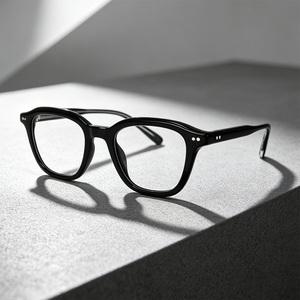
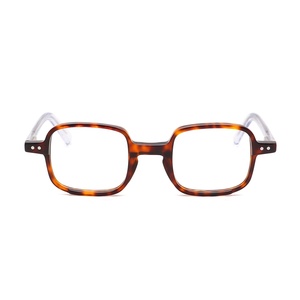
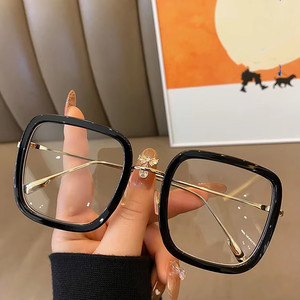
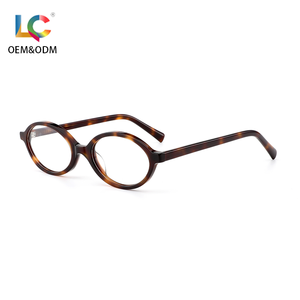
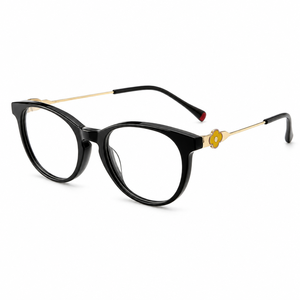
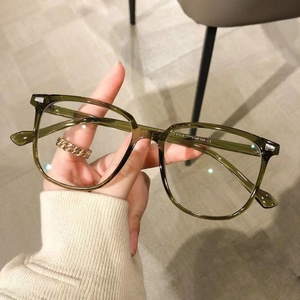
The international market for retro optical eyewear has matured from a nostalgic consumer trend into a foundational product category for independent optical boutiques, global retail chains, and e-commerce eyewear brands. However, navigating the manufacturing landscape requires a deep technical comprehension of material chemistry, hinge mechanical tolerances, and multi-jurisdictional compliance.
Today's optical buyers face acute supply chain friction. While vintage silhouettes—such as 1950s panto rounds, 1960s cat-eyes, and 1980s architectural squares—command higher retail price points, inferior manufacturing frequently leads to bridge splay, delamination of low-grade triacetate, stripped hinge screw threads, and nickel allergy liabilities. Procuring retro eyewear frames demands rigorous qualification of factories capable of combining authentic vintage styling with contemporary precision engineering.
This comprehensive industry white paper evaluates the top 10 optical manufacturing hubs and export partners worldwide. Based on proprietary factory audits, mechanical lab stress analyses, and ISO compliance testing, this benchmark report provides optical brand directors and procurement heads with actionable sourcing intelligence to eliminate defect rates, accelerate design cycles, and optimize gross margin stability.
An objective engineering review of the premier optical manufacturing houses specializing in vintage acetate, titanium wire, and heritage optical assemblies.
With optical lineage tracing back to Singapore in 1960 (via Nanyang Optical founders), Urband operates a tri-regional model: corporate oversight in Singapore, bespoke frame R&D and aesthetic direction in Normandy, France, and high-precision CNC acetate and titanium fabrication lines in Shenzhen. Renowned for 21 global design accolades (iF, Red Dot, SILMO d'Or) and engineering innovations including the Screwless Hinge, Active Dynamic Hinge, and EYELET children's nylon-string soft-lock systems.
Centering on the Cadore and Lombardy optical clusters, these specialized Italian ateliers utilize aged cellulose acetate blocks, executing classic 5-barrel hinge pinning with authentic exposed front rivets. Their wet polishing process requires 96 hours of manual birch-wood tumbling, creating the quintessential soft-touch finish required by high-luxury heritage labels.
Sabae holds global preeminence in cold-pressed beta-titanium wire framing. Specializing in intricate Victorian filigree rim-wires, coin-edge engraving, and vintage Windsor rim construction. Their proprietary brazing techniques yield undetectable temple solder joints that resist over 150,000 continuous flex cycles.
The world's epicenter for mid-to-high optical manufacturing, Henggang combines 5-axis CNC computer milling with multi-step barrel polishing. Exporting over 80% of the world's high-grade optical frames, these facilities maintain advanced clean-room facilities for ultrasonic cleaning, PVD titanium coating, and robotic hinge alignment.
Carrying over two centuries of spectacles artisanal production, the Jura guild focuses on classic French panto shapes and sculpted keyhole bridges. Their technical mastery centers on bevel cutting tolerances, guaranteeing optical distortion values below 0.05 diopters when fitting high-index progressive Rx lenses.
An export juggernaut specializing in agile manufacturing, automated stamping, and injection-molded TR90 and metal combination retro spectacles. They excel at high-volume supply chains, delivering cost-competitive, CE-compliant vintage frames with rapid 35-day re-order fulfillment for global volume distributors.
Known globally as the optical lens capital, Danyang's frame infrastructure provides fully unified optical-plus-lens turn-key kits. Specializing in pre-glazed vintage reading spectacles and blue-light attenuation frames featuring CR-39 and polycarbonate optical-grade plan lenses.
South Korea's Daegu district is celebrated for featherlight retro wire frames and thin round Korean-wave silhouettes. Utilizing high-elasticity stainless memory steel and specialized nano-electroplating, these factories create corrosion-resistant pastel and antique finishes with superior skin biocompatibility.
Situated near the Italian Alps, these historic facilities produce high-density acetate cat-eye and thick-gauge retro aviators. Utilizing hand-cast acetate laminates and nickel-free hinge hardware that comply with the strictest REACH Annex XVII allergen restrictions for the EU and North American luxury tiers.
A key exporter engineered for technical sports-vintage combinations and polarized retro sunglasses. Their capabilities include precision insert molding of TR90 with metal skeleton armatures, catering to lifestyle optical brands that require vintage aesthetics combined with rugged sports-level temple retention.
Procurement managers must balance structural modulus, specific gravity, and processing difficulty when commissioning custom retro optical collections.
| Material Classification | Specific Gravity | Tensile Modulus | Thermal Adjustability | Recommended Retro Styles | Primary Compliance Standard |
|---|---|---|---|---|---|
| Cellulose Acetate (Mazzucchelli Grade) | 1.28 - 1.32 g/cm³ | 2,100 - 2,800 MPa | Optometrist Hot-Air Tray (60°C - 75°C) | 1950s Panto, Wayfarer, Chunky Riveted Square | ISO 12870 Flame / Stability |
| Beta-Titanium Alloy (Ti-15V-3Cr-3Sn-3Al) | 4.75 g/cm³ | 100 - 110 GPa | Cold Plier Alignment (Shape Memory) | Filigree Wire Rim, Windsor Glasses, Minimalist Round | EN 16128 Nickel-Free Safe |
| High-Density TR90 Memory Polymer | 1.14 g/cm³ | 1,600 - 1,900 MPa | Fixed Injection Geometry (Cold Bend Resistant) | Retro Pediatric, Featherlight Classic Rounds | REACH SVHC Phthalate-Free |
| Cupronickel / Monel Wire Core | 8.80 g/cm³ | 130 - 160 GPa | Manual Wire Bending / Heat Embedding | Internal Temple Reinforcement, Exposed Core Wire | Lead < 100ppm Directives |
| Bio-Acetate (Eco-Cellulose) | 1.26 - 1.30 g/cm³ | 2,000 - 2,500 MPa | Hot-Air Tray (Requires Controlled Moisture) | Eco-Heritage Luxury Collections, Cat-Eye Optical | ISO 14855 Biodegradability |
Emerging material innovations, ergonomic shifts, and structural engineering paradigms reshaping global B2B optical contracting.
Environmental compliance is shifting from voluntary marketing to mandatory trade criteria. Forward-looking buyers are transitioning frame specifications to certified bio-based acetates utilizing non-phthalate plasticizers derived from renewable vegetable seeds, ensuring complete biodegradability under ISO 14855 standards without sacrificing surface polishing luster.
Traditional five-barrel pinned hinges remain vulnerable to screw-backing and loosening over sustained consumer wear. Procurement contracts are increasingly shifting toward engineered screwless cam-locks and continuous-tension leaf springs. These architectures reduce customer return rates for optical retailers while preserving classic outer retro aesthetic lines.
While buyers demand vintage thickness (e.g., 8mm to 10mm slab fronts), end-users demand featherlight ergonomic comfort. The 2026 trend focuses on High-Density (HD) acetate milled via 5-axis robotic carving. This creates bold visual silhouettes from the front profile while back-relieving the rim thickness to 3.2mm, cutting frame weight by over 42%.
Supply chain volatility and changing micro-trends have made 2,000-piece Minimum Order Quantities (MOQs) a legacy hazard. Modern exporters support tiered MOQs of 300 units per colorway via modular CNC tooling programs. This lets optical brands test niche retro colorways (e.g., crystal champagne, vintage olive, tortoiseshell gradient) with minimal capital risk.
To accommodate complex progressive and high-cylinder prescriptions, modern retro frames feature standardized 4-base and 6-base front curve geometries. Exporters now provide optical lab digital tracing files (.OMA / .VCA) upon shipment, allowing retail chains to cut high-index Rx lenses before the physical frames land at distribution centers.
Retro frames are increasingly worn by digital-native consumers who require non-prescription computer glasses. Top factories now supply frames pre-glazed with monomer-infused blue-blocking optical lenses (blocking 415-455nm high-energy visible light with >92% luminous transmittance), combining retro fashion directly with preventative ophthalmic utility.
Integrating heritage craftsmanship, award-winning French design, and precision manufacturing across the international optical ecosystem.
Urband International represents over six decades of optical pedigree, originating from hands-on lens grinding in Singapore workshops during the 1950s and the co-founding of Nanyang Optical in 1960 by Chairman Yang Wah Kiang. This foundation ensures that every retro frame is designed from an optician's mechanical perspective—optimizing center-of-gravity balance, vertex distance, and temple tension.
Singapore executive headquarters managing global logistics and trade finance; Urband France Design Studio in Douvres-la-Délivrande directing aesthetic geometry; and Shenzhen precision manufacturing facilities supervising CNC machining and QA.
Recognized across 14 awards, 6 nominations, and 1 invited honor from the iF Design Award, Red Dot Design Award, SILMO d'Or, IDSA, and the Singapore President's Design Award, validating proven aesthetic and structural value.
Consolidate pediatric (EYELET), fashion (GLOSSI), technical sports (URBAND PARIS RX Sport 2.0), and reading optics (COUPLE) under a single wholesale master agreement, eliminating multi-vendor administrative overhead.
Unlike standard trading intermediaries that source generic open-mold frames, Urband's engineering assets include proprietary Screwless Hinge geometries that remove loose screws, and Active Hinges engineered for controlled temple deflection and natural realignment. For pediatric retro collections, EYELET's patented nylon-string soft-lock temple connections allow extreme lateral bending, preventing frame breakage during school activities while maintaining lens centering and axis alignment.
Every manufacturing lot undergoing export undergoes rigorous testing against international compliance directives: EN ISO 12870 (spectacle frames general requirements), EN ISO 12312-1 (sunglasses), REACH Annex XVII for nickel release (tested according to EN 16128), and FDA drop-ball impact resistance standards (21 CFR 801.410), ensuring seamless port clearance and long-term customer protection.
Detailed answers to critical engineering, manufacturing compliance, tooling amortization, and quality assurance questions.
High-grade cellulose acetate is an organic polymer derived from cotton and wood pulp flakes. It is cured, sliced into sheets, seasoned for several months to eliminate volatile solvents, and shaped via multi-axis CNC milling. It allows custom warm-air adjustment at optometry dispensaries and deep buffing to restore surface gloss. Injection plastic (such as CP or basic polycarbonate) is chemically melted and injected into molds; it lacks thermal adjustability, will snap under pressure, and cannot be buffed if scratched.
Under REACH Regulation (EC) No 1907/2006 Annex XVII and the EN 16128 standard, optical components coming into direct and prolonged contact with skin must emit less than 0.5 µg/cm²/week of nickel. Premium retro frames utilize pure titanium, beta-titanium, or cupronickel treated with an advanced nickel-free barrier layer under gold, palladium, or IP vacuum electroplating. Each production batch should provide certified lab spectrometer reports before export release.
Standard industry MOQs for fully bespoke CNC-milled acetate optical frames range between 300 to 500 units per model, broken into 2 to 3 colorways (typically 100 to 150 pieces per color). For customized metal frames requiring new die stamping tools, MOQs usually start at 600 to 1,000 units. For in-stock catalog assortments from established brand portfolios like Urband International, lower entry thresholds are available for authorized retail partners.
Prototype development from 2D CAD engineering to physical 3D SLA modeling and hand-finished acrylic samples takes 15 to 25 days. Once prototypes and master color swatches are signed off, production takes 60 to 75 days for acetate (due to 72-hour barrel tumbling, curing, and manual assembly) and 70 to 90 days for titanium metal frames requiring vacuum furnace plating and ultrasonic washing.
While five-barrel hinges look authentically vintage, their standard micro-screws naturally loosen due to daily friction, requiring routine tightening by consumers and opticians. Urband's proprietary Screwless Hinge utilizes interlinked cams or leaf springs that rely on mechanical friction geometry rather than threaded fasteners. This eliminates lost hinge screws, preserves temple open/close tension, and lowers retailer warranty replacement rates.
Under FDA regulation 21 CFR 801.410, optical lenses fitted into spectacle frames must resist a 5/8-inch steel ball (weighing approximately 0.56 ounce) dropped from a height of 50 inches without fracturing. While the regulation applies strictly to optical lenses, frames must retain sufficient rim-groove depth and structural rigidity to prevent the lens from popping back toward the wearer's eye during impact.
Yes. Custom wire cores are a signature visual element of high-end vintage eyewear. Factories shoot custom-stamped, coin-edged, or laser-engraved metal wire armatures (typically made of nickel-silver or brass) into heated acetate temple extrusions. This provides necessary structural stiffness to adjust the temple ear curvature while displaying custom logos or heritage filigree patterns through transparent materials.
Under ISO 12870 clauses, optical frames are placed inside environmental test chambers at 60°C ± 2°C with 95% relative humidity for 24 hours. Post-exposure inspections check that frames do not warp by more than 5mm across the pantoscopic angle or show bridge splaying, surface bubbling, or hinge plate delamination, ensuring structural stability across varying international climates.
Traditional chemical dip electroplating applies a thin decorative gold or silver layer (0.2µm to 0.5µm) over a base metal; it wears off relatively quickly when exposed to acidic skin sweat. IP (Ion Plating) occurs inside a high-vacuum chamber where titanium and precious metal ions are bonded to the frame surface using plasma bombardment. IP coatings are 5 to 8 times harder than standard wet plating, highly resistant to corrosion, and hypoallergenic.
Yes. Partnering with multi-brand optical groups like Urband International allows commercial buyers to consolidate several distinct market categories—including EYELET flexible children's frames, GLOSSI retro women's fashion, URBAND PARIS sports Rx, and COUPLE adult reading spectacles—under a single export invoice, Master Service Agreement (MSA), and quality compliance documentation package.
