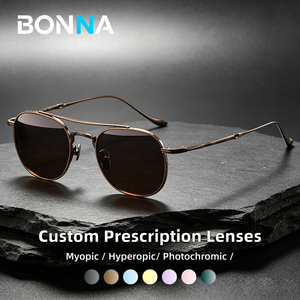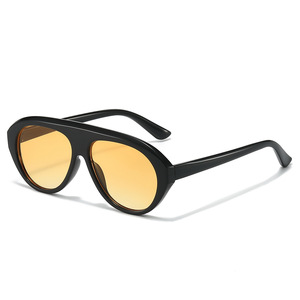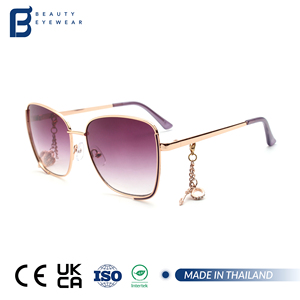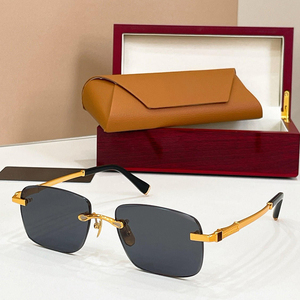
OEM/ODM Private Label Eyewear Factories & Factory

Global Engineering Excellence in Precision Optical Frames, Technical Sunglasses & Turnkey Eyewear Manufacturing Solutions

Enterprise Authority

End-to-End Eyewear Manufacturing & Design Prowess

Combining heritage optical precision cultivated since 1960 with world-renowned European design ergonomics and industrial-scale production ecosystems.

1960+ Optical Heritage Originating in Singapore
21 International Design Awards (iF, Red Dot, SILMO d'Or)
3 Global Hubs: Singapore HQ, France Studio, Shenzhen Factory
100% Lot-Traceable ISO/CE/REACH Certified Compliance

Patented Screwless & Active Hinges

Eliminate screw loosening and post-purchase frame returns. Our proprietary multi-axis friction mechanics and soft-lock flexible linkages withstand over 50,000 continuous open-close cycles without structural fatigue.

Transnational Design & Tooling

From conceptual styling at our French Studio to micro-tolerance CNC machining in Shenzhen, we bridge haute couture aesthetic sensitivity with micron-precision multi-axis engineering.

Strict Regulatory Compliance

Every batch shipped is supported by verified laboratory records: EN ISO 12312-1:2022 (Sunglass safety), ANSI Z80.3, ISO 12870 (Ophthalmic frames), and comprehensive REACH/CPSIA non-toxic certifications.

Full Supply Chain Verticalization

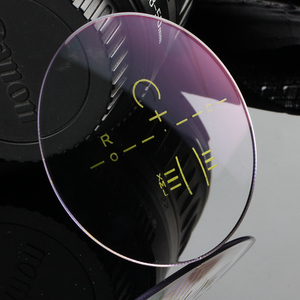
Direct manufacturing coordination spanning premium block acetate skiving, TR90 Swiss EMS molding, ultra-pure Japanese Titanium sputtering, digital RX free-form lens surfacing, and bespoke retail packaging.

Strategic Procurement Analysis

Future Procurement Trends in Private Label Eyewear

Strategic supply chain adaptation for wholesale brand owners, optical dispensary chains, and institutional buyers maneuvering the 2026–2030 optical cycle.

Bio-Based Acetate & Circular Polymers

Global optical retail is rapidly phasing out traditional petrochemical phthalate plasticizers. Procurement directors are migrating toward ISCC-certified bio-acetate (cotton linters and wood pulp) and recyclable nylon (polyamide 12), ensuring corporate ESG compliance and reducing consumer dermatological reactivity.

Agile Low-MOQ On-Demand Replenishment

High warehouse holding costs are driving a paradigm shift away from traditional 1,200-piece single-color production minimums. Tier-1 OEM factories now leverage flexible CNC tooling and modular mold tooling, enabling B2B buyers to test 100–300 frame batches per colorway with swift 20-day production reorders.

Digital Traceability & Smart Passports

With stringent European Ecodesign for Sustainable Products Regulation (ESPR) enforcements looming, optical brands now require QR-encoded digital supply chain certificates documenting physical metallurgy purity, lens optical index variance, and carbon footprint telemetry.

Engineering Specifications

Structural Material Selection Matrix for Eyewear OEM/ODM

A technical blueprint comparing key structural materials utilized across our specialized eyewear manufacturing lines to optimize your brand's product-market fit.

Material Classification Specific Gravity (g/cm³) Tensile / Flexural Strength Hypoallergenic Index Recommended Market Segments
High-Density Cellulose Acetate 1.28 – 1.32 Moderate (High Polishability) High (Biocompatible) Designer Boutiques, Luxury Fashion Sunwear, Bold Optical Displays
Swiss TR90 Memory Polymer 1.14 – 1.18 Ultra-High (Shape Retention) Maximum (Medical Grade) Pediatric Frames, School Wear, Active Lifestyle, Sports Safety
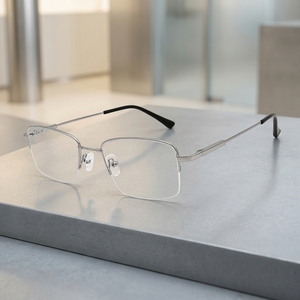
Beta-Titanium / Pure Titanium 4.50 – 4.54 Extreme (Tensile >880 MPa) 100% Inert (Zero Nickel) Executive Business Eyewear, Ultra-Light Rimless, Minimalist Luxury
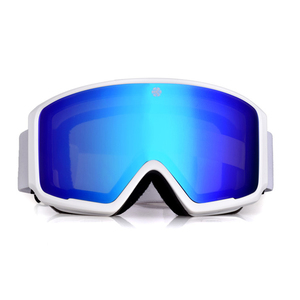
Engineered Nylon / Polyamide 12 1.01 – 1.05 High Impact / High Elasticity High Polarized Ski/Snowboard Goggles, Tactical Protection, Wrap Sunglasses
Monel & Stainless Steel Alloys 7.90 – 8.80 Rigid Rigidity & Formability Requires Nickel-Free Barrier Classic Windsor Rims, Vintage Retro Profiles, High-Volume Optical
Procurement Knowledgebase

Frequently Asked Questions on Eyewear OEM/ODM Manufacturing

Comprehensive operational, technical, and regulatory clarity addressing typical concerns of global eyewear brands, opticians, and chain store purchasers.

What are the typical Minimum Order Quantities (MOQ) for custom private label manufacturing?
Our flexible OEM/ODM framework accommodates both boutique optical programs and multi-store retail enterprises. For ready-to-brand in-house designs (private label with laser-engraved logos and custom temple printing), MOQs begin at just 100 to 300 pieces per collection, subdivided across standard colorways. For bespoke custom tooling involving specialized injection molds or proprietary metal extrusion dies, production runs typically start at 600 to 1,200 pieces per style.
How do Screwless and Active Hinge mechanisms outperform traditional barrel hinges?
Traditional hinge systems rely on micro-screws that systematically back out due to frictional vibration and thermal expansion, causing temple misalignment and frame failure. Our proprietary Screwless Hinges utilize interlocking tension geometry or retained stainless clip elements that never back out. Our Active Hinges incorporate controlled multi-directional spring flex mechanics, allowing outward expansion during temple donning while returning automatically to calibrated temple tension.
What quality certifications and compliance dossiers accompany bulk shipments?
Every shipment is accompanied by comprehensive, batch-specific compliance dossiers customized to the buyer's destination country. This includes CE Declarations of Conformity under EU MDR 2017/745 for Class I medical devices, full physical and optical testing reports compliant with EN ISO 12312-1:2022 (sunglasses) and ISO 12870:2018 (spectacle frames), FDA registration documentation with drop-ball impact resistance verification (21 CFR 801.410), and REACH SVHC toxicological screenings.
What is the standard lead time from 2D/3D CAD concept to physical production delivery?
Custom ODM development starts with rapid technical prototyping: 2D dimensional schematics and photorealistic 3D renders are finalized in 3–5 working days, followed by SLA 3D printed or hand-machined acetate rapid prototypes in 10–14 days. Once pre-production gold samples receive sign-off, mass production lead times run between 45 to 65 days depending on the structural material (e.g., cellulose acetate tumbling, titanium ion plating, or TR90 injection).
Can your factory accommodate specialized pediatric and sports-wrap ergonomics?
Yes. Our pediatric frames (engineered under our EYELET and LEAP methodologies) leverage soft-lock nylon-string hinges and flexible TR90 bridges designed around pediatric craniofacial parameters to prevent downward nasal slippage and ensure optical focal center alignment. For sports applications, our factory produces high-base curve wraps (Base 6 to Base 8) featuring internal lens beveling to guarantee lens retention under high G-force impacts.
How are OEM IP rights and proprietary design molds safeguarded?
We enforce strict legal non-disclosure agreements (NDAs) and mold exclusivity agreements before reviewing partner technical files. All custom tooling molds, stamping dies, and technical CAD files are designated exclusive client property with restricted cleanroom access. We do not re-sell, catalog, or showcase client-exclusive OEM molds to any third-party buyers or at trade exhibitions without explicit authorization.

Launch Your Custom Eyewear Collection Today

Access our comprehensive 2026/2027 OEM/ODM Lookbook featuring over 450+ market-ready optical frames, polarized sunwear designs, and engineering hinge blueprints.