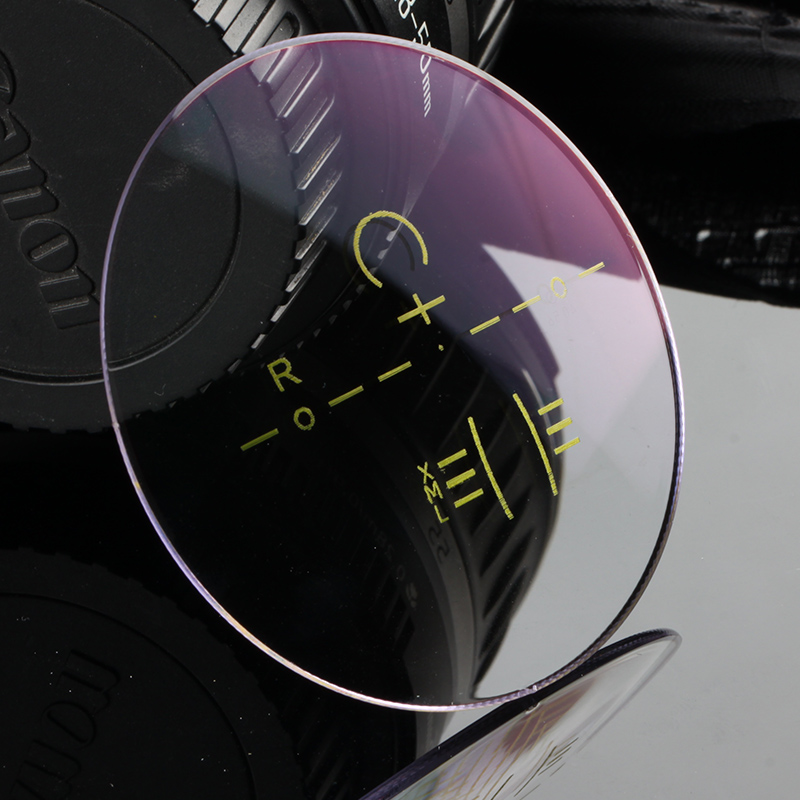
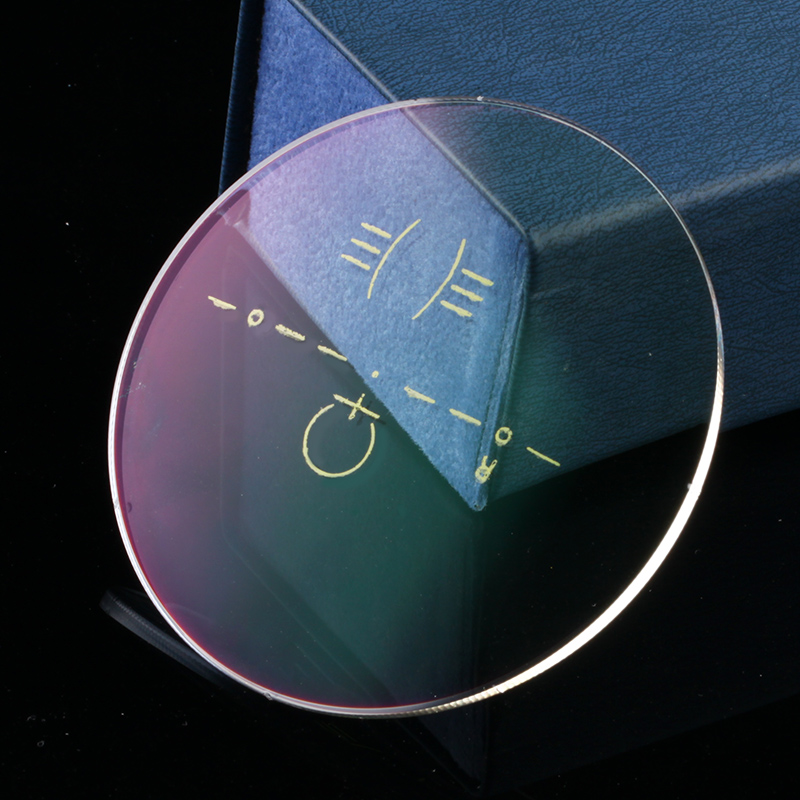
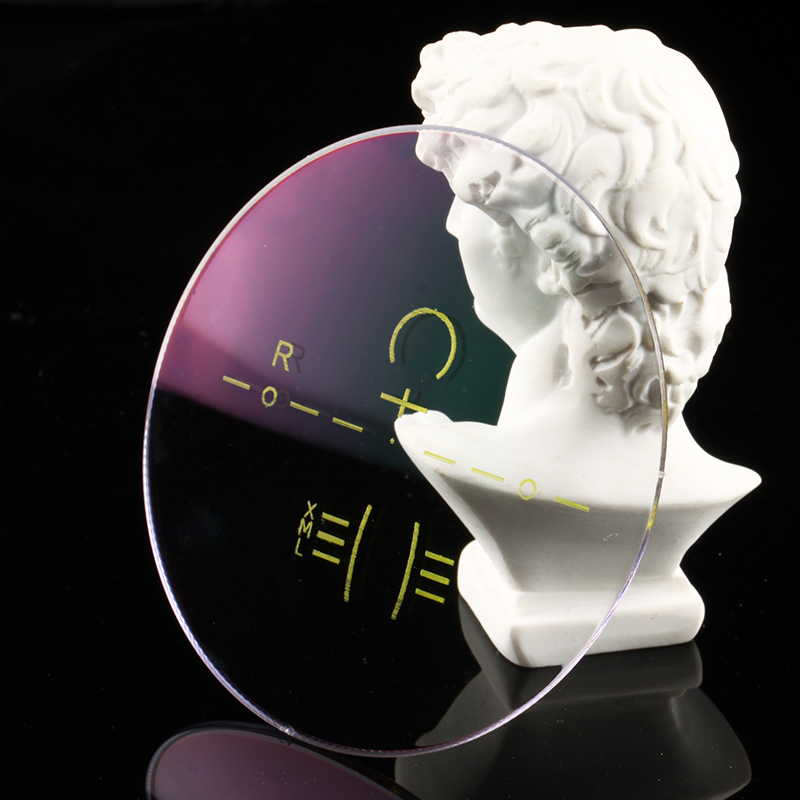
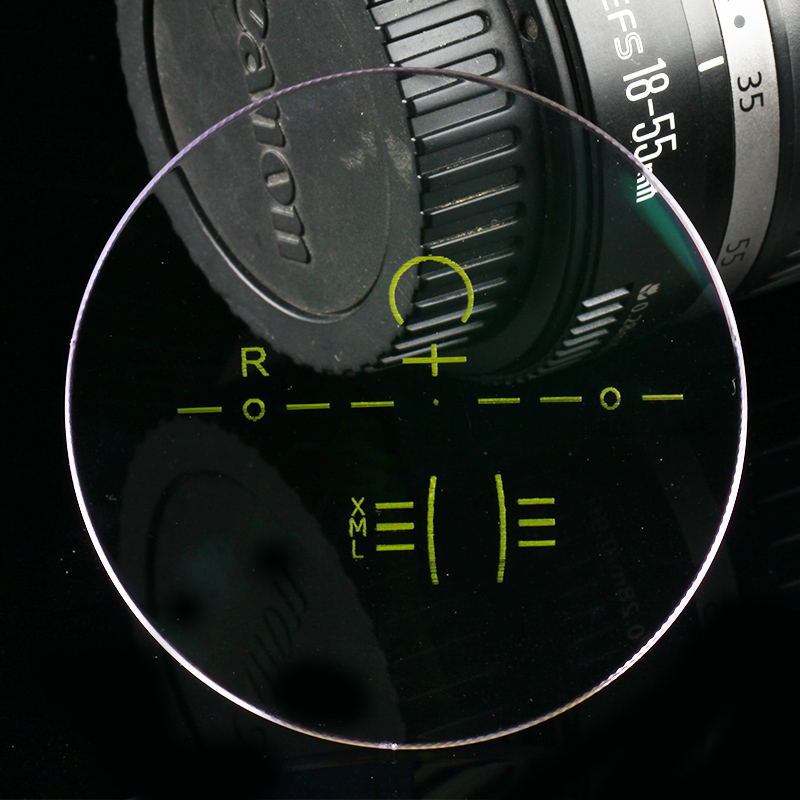
What are the main advantages of I-Easy II lenses over conventional progressive designs?
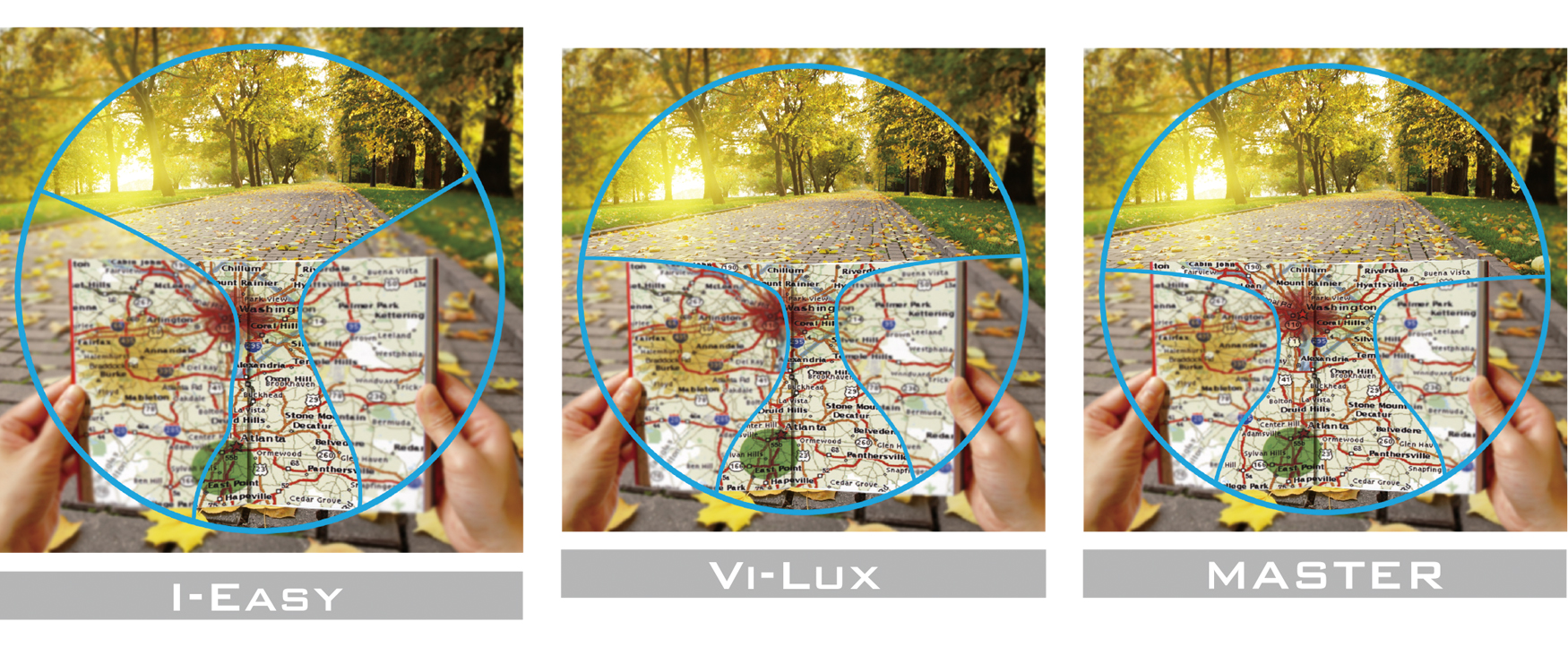
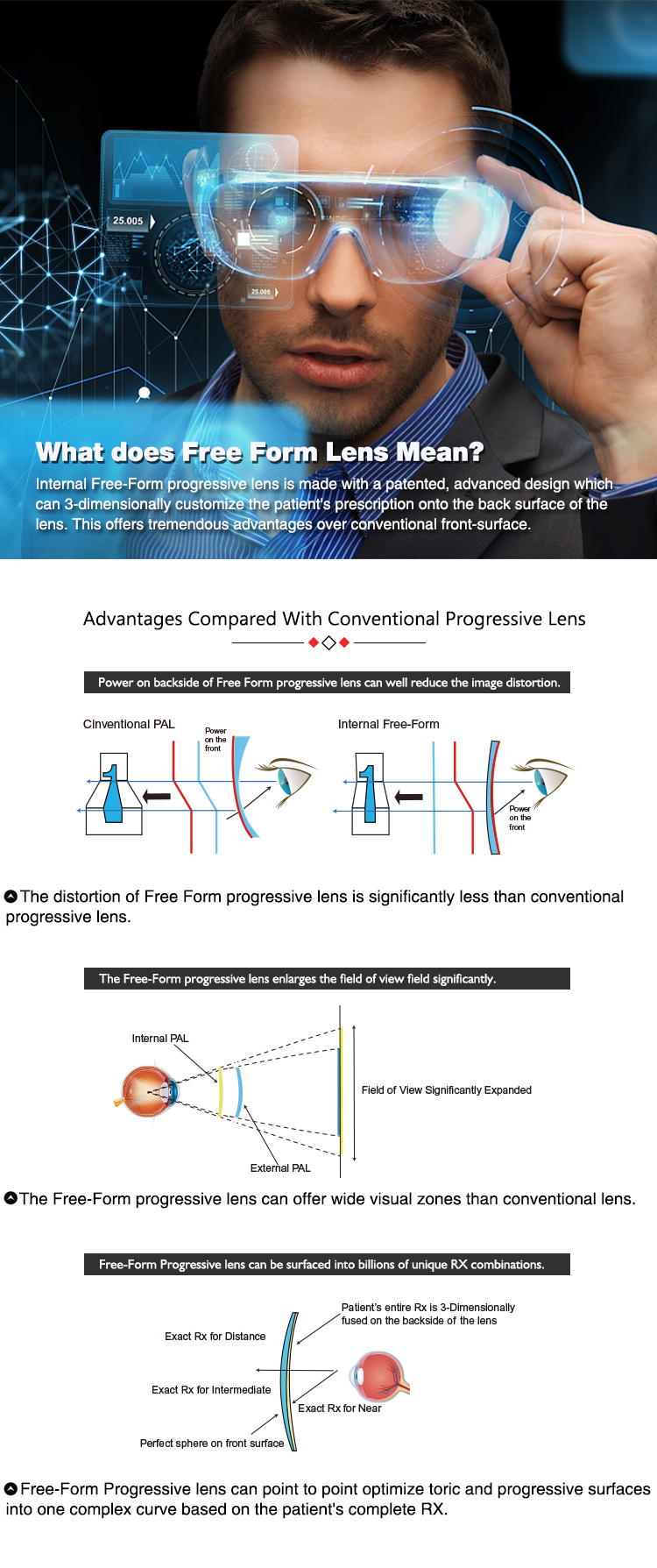
I-Easy II lenses utilize a standardized universal freeform progressive design. Compared to traditional options, they significantly improve overall visual comfort, ensure sharp optical imaging via diverse base curve selection, and deliver premium optical performance at an accessible value.
What Minimum Fitting Heights (MFH) are supported for prescription fitting?
The I-Easy II accommodates a flexible range of frame styles by offering four corridor options for Minimum Fitting Height: 13 mm, 15 mm, 17 mm, and 20 mm.
Which frame measurements are required when ordering this lens?
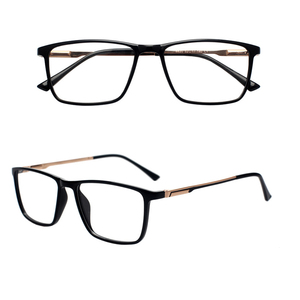
To order, standard frame dimensions including IPD, IPH, HBOX, VBOX, and DBL are required to ensure optimal optical positioning and customized visual performance.
Are personalized parameters like Pantoscopic Angle and Vertex Distance needed?
No, individual position-of-wear measurements such as Vertex Distance, Pantoscopic Angle, and Wrapping Angle are not required for ordering, streamlining both the optometric measurement and ordering procedure.
Who is the ideal candidate for I-Easy II progressive lenses?
These lenses are optimal for everyday presbyopic wearers who require a dependable, high-clarity progressive lens suitable for multi-distance viewing without requiring custom position-of-wear fitting measurements.
How does base curve diversity influence visual quality in these lenses?
A high base curve diversity ensures each individual prescription matches an optically compatible front surface curvature, minimizing aberrations and delivering wider, clearer fields of vision across distance, intermediate, and near zones.