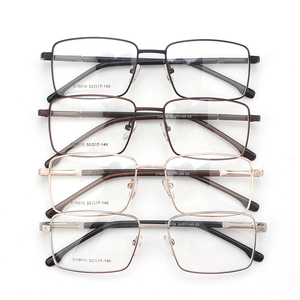
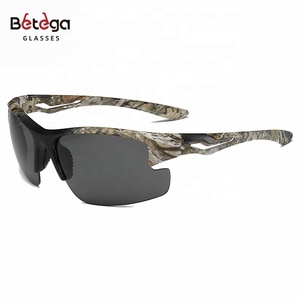
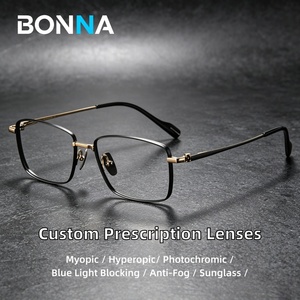
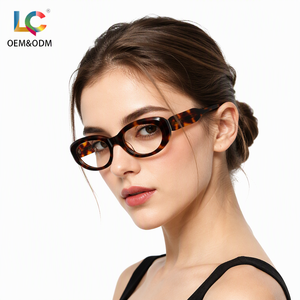
Engineered for structural balance, hypoallergenic contact, and effortless lens glazing across optical retail chains in Nagoya and international distribution hubs.
An in-depth technical analysis for Japanese procurement specialists, master dispensing opticians, and eyewear brand directors in the Chubu industrial corridor.
The eyewear retail and wholesale landscape in Nagoya (Aichi Prefecture) holds a uniquely exacting position within the global optical economy. Positioned at the heart of Japan's Chubu manufacturing belt—an area celebrated internationally for micro-engineering, high-grade metallurgy, and automotive precision—Nagoya's optical retailers and private label brands maintain some of the strictest physical inspection criteria in the world. When commercial buyers in districts such as Sakae, Meieki, and Osu evaluate wholesale collections, they look beyond mere cosmetic appearance. They demand verified chemical biocompatibility, absolute bridge stability for East Asian craniofacial structures, micro-toleranced barrel hinges, and verifiable certifications that satisfy both the European CE Medical Device Regulation (EU MDR 2017/745 / EN ISO 12870) and Japan's Ministry of Health, Labour and Welfare (MHLW) optical standards.
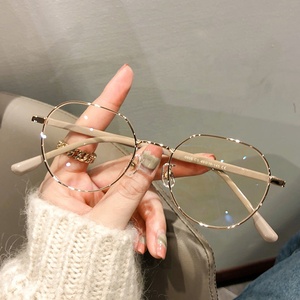
Historically, round optical frames have transitioned from a niche vintage silhouette into a dominant style across Japanese executive and lifestyle demographics. However, manufacturing round frames for the Nagoya consumer requires sophisticated engineering calculations. Traditional circular geometries present significant lens glazing challenges: the radial symmetry means that improperly cut lenses can rotate if the bevel pitch is off by even fractions of a millimeter, shifting cylinder axes and throwing astigmatic prescriptions out of optical alignment. As an experienced manufacturer and exporter, Urband International solves this structural pitfall through precision CNC-grooved eyewires, keyed eyewire locks, and cold-worked titanium rim profiles that lock lenses securely in their intended optical axis.
One of the primary friction points faced by optical importers in Nagoya when dealing with standard European or American frame exports is poor anatomic compatibility. Western frames traditionally feature wide bridges (18mm to 22mm), steep pantoscopic angles (10° to 12°), and shallow, non-adjustable pad arms tailored for elevated nasal bridges.
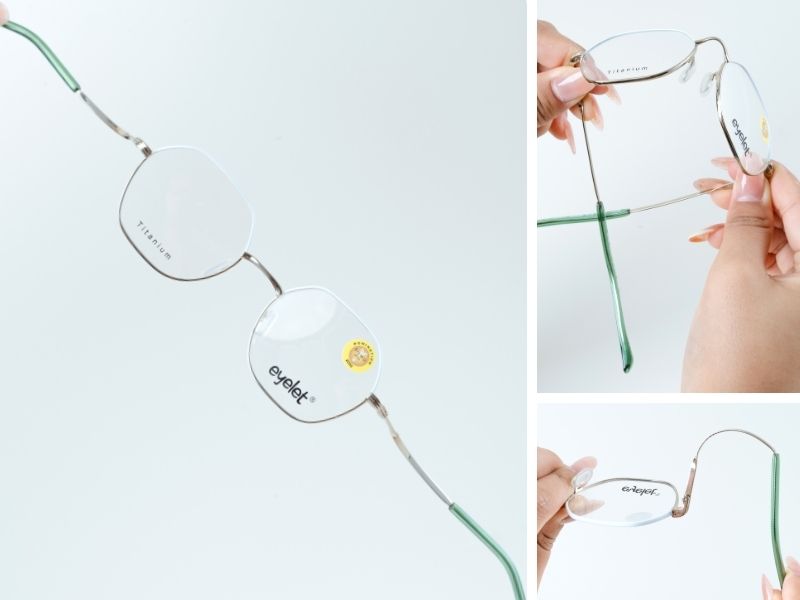
When placed on Japanese wearers, these frames frequently sit directly on the zygomatic arches (cheekbones), causing constant upward displacement during facial movement, thermal steaming of progressive lenses, and severe eyelash contact with the ocular surface. Our Nagoya-oriented round optical collections incorporate ergonomically engineered saddle bridges and micro-adjustable S-type pad arms forged from pure titanium and surgical-grade beta-titanium wires.
This structural adaptation provides an adjustable bridge stance (15mm to 19mm range), an optimal pantoscopic tilt calibrated strictly between 6° and 8°, and a vertex distance of exactly 12mm. The result is seamless integration with high-index progressive lenses from Japanese glassmakers like Nikon, Tokai Optical (based right in Okazaki, Aichi), and Hoya.

Tailored structural configurations engineered for dedicated retail categories and demographic segments throughout Aichi Prefecture.
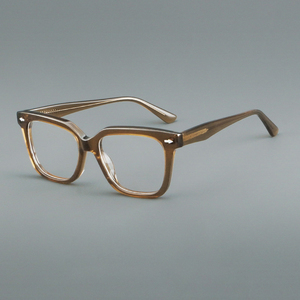
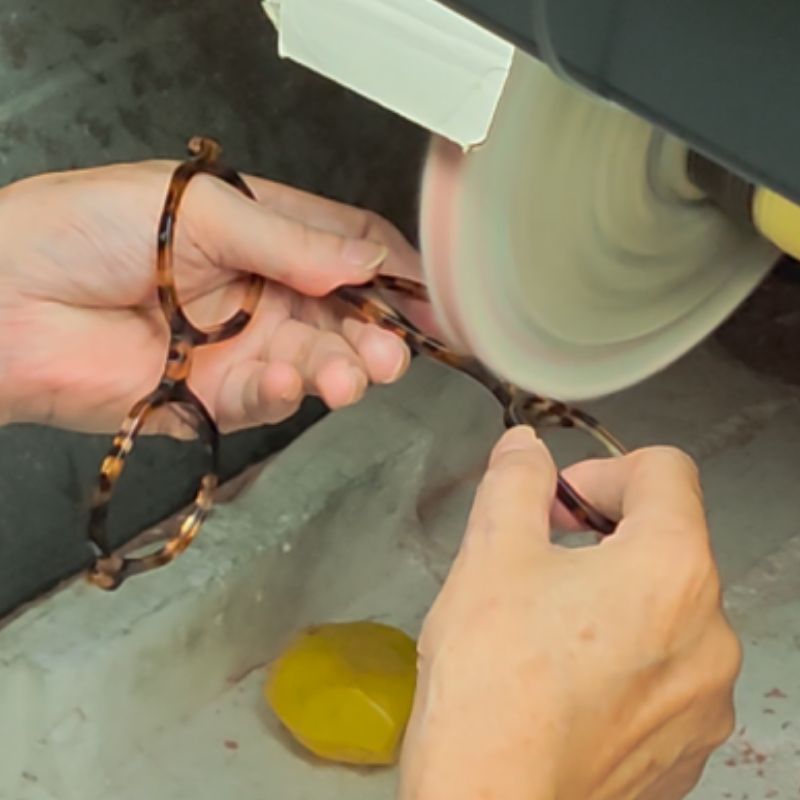
For independent luxury opticians catering to design-conscious urban professionals in Nagoya's prime shopping districts. Our hand-polished cellulose acetate round models offer rich layered color depth, custom-cast core wires, and subtle brushed champagne-gold titanium temples that deliver understated luxury without ostentatious branding.
Engineers and software developers in Toyota City and Nagoya's technology hubs endure prolonged digital display exposure. Our ultra-lightweight round metal and TR90 frames are optimized for blue-light blocking lenses and digital office lenses, maintaining center-of-gravity stability even during intensive 10-hour research shifts.
Aichi's mature demographic demands premium near-vision ergonomics. Through our dedicated COUPLE and presbyopic-compatible collections, round silhouettes provide an expanded vertical B-dimension (38mm to 42mm). This allows ample corridor height for progressive and office lenses, eliminating peripheral distortion in reading zones.
In high-end Japanese optometric dispensing, the most frequent warranty return stems from hinge screw loosening, stripped threads, and lateral temple play. Urband International eliminates this vulnerability through patented mechanical solutions developed across decades of award-winning industrial design.
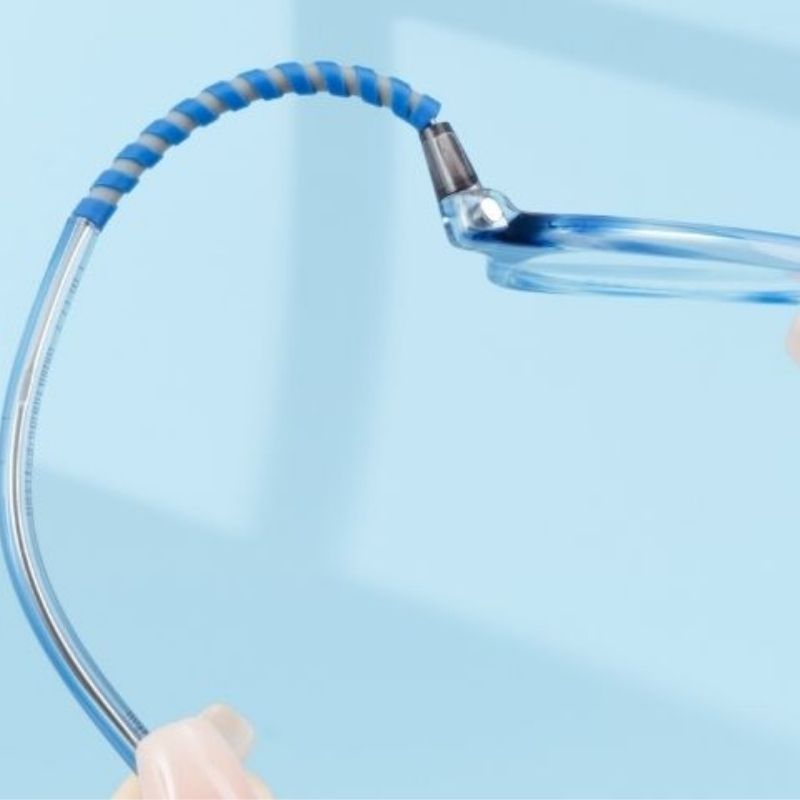
Our Screwless Hinge systems dispense entirely with conventional threaded screws. Utilizing interlocking precision micro-collars and friction-mated detents, the temple pivots smoothly with constant operational torque, eliminating spontaneous looseness. For active adult and pediatric wearers, our Active Hinge provides engineered spring deflection beyond the standard 90° opening angle.
When subjected to accidental lateral impact or one-handed frame removal, the temple absorbs tensile stress through an internal dampening mechanism and automatically returns to true alignment without deforming the front eyewire. This engineering integrity safeguards high-cost prescription lenses from induced astigmatism caused by frame twisting.
A transparent comparative matrix detailing physical durability tests, chemical release parameters, and batch documentation supplied with every export shipment to Port of Nagoya (Nagoya-ko) and Chubu Centrair International Airport (NGO).
| Evaluation Parameter | CE Specification (EN ISO 12870 / EN 16128) | Japanese Market Standard (JIS B 7285) | Urband Manufacturing Standard |
|---|---|---|---|
| Nickel Release (Direct Skin Contact) | < 0.5 μg/cm²/week (EN 16128 reference test) | Harmonized with ISO standards for metal skin contact | ✔ Zero detectable nickel release (Titanium / PVD Ion Plating) |
| Bridge Deformation & Fatigue Endurance | 500 cycles of mechanical flexing without fracture or permanent set > 5mm | Equivalent endurance test under cyclical loading | ✔ 1,200 continuous cycles at 40 cycles/min without axial misalignment |
| Thermal Stability & Moisture Exposure | 60°C dry heat for 24h; 40°C at 85% RH for 24h | Rigorous sweat-resistance testing (artificial perspiration) | ✔ 70°C at 90% RH for 48h; Zero cellulose shrinkage, pitting, or blooming |
| Hinge Torque & Wear Resistance | Continuous movement without mechanical breakage | Consistent closing resistance across repeated opening | ✔ 20,000 fold cycles with residual torque retention exceeding 75% |
| Lens Retention Integrity (Radial Pop-Out) | No lens displacement under 60N static axial load | High retention required for safety glazing | ✔ Engineered 80N bevel rim lock to prevent round lens slippage |
Insights into shifting consumer preferences, eco-conscious materials, and the digital lifestyle requirements driving Japanese wholesale procurement.
Japanese retail consumers increasingly reject conventional phthalate plasticizers. We manufacture round acetate frames using plant-derived cellulose propionate and bio-acetate (cotton linters and wood pulp) featuring biodegradable plasticizers. These frames offer exceptional tensile resilience, mirror-like manual polish, and zero skin irritation for sensitive facial skin.
The contemporary Japanese business consumer seeks featherlight optics. By bonding thin high-density TR90 front eyewires to super-elastic beta-titanium temples, our hybrid frames achieve a completed chassis weight under 12 grams. This construction minimizes temple pressure behind the mastoid bone, preventing tension headaches during prolonged computer use.
Gray-market imports lacking batch inspection and traceability certificates are disappearing from reputable Japanese shelves. Nagoya optical chains require full documentation packs: CE declarations of conformity, REACH chemical screening, and batch-specific tensile testing records to protect their professional reputation against consumer liability claims.
A heritage of optical dispensing, world-class European industrial design, and vertically integrated manufacturing excellence.
Founded by Yang Wah Kiang, who began his optical career hand-grinding prescription lenses in a Singapore optical workshop in the 1950s and later co-founded Nanyang Optical in 1960, Urband International is built upon practical optometry. Unlike traders or brokers who merely repackage generic stock, our company approaches every frame from the bench optician's perspective: how easily does the eyewire accept high base curves, how does the bridge hold its adjustment under pressure, and how balanced does the frame feel when equipped with high-minus refractive lenses?
Today, Urband operates a tri-regional model engineered for seamless global delivery:
With an active R&D background deeply tied to Japan since opening an engineering center there in 2002, our engineering team speaks the language of Japanese optical tolerances fluently.
Clear answers regarding import customs, Japanese optical regulations, sample evaluations, and logistical execution.
In Japan, non-corrective spectacle frames without prescription lenses are classified under General Medical Devices (Class I / Todokede category). Because our optical frames are manufactured in full compliance with the European Medical Device Regulation (EU MDR 2017/745) and strictly certified under EN ISO 12870, our manufacturing technical files, biocompatibility test results (ISO 10993/EN 16128), and quality management records readily satisfy the documentation required by Japanese Marketing Authorization Holders (MAH / Seizo Hanbaigyo) when submitting import notifications to the Pharmaceuticals and Medical Devices Agency (PMDA).
We provide streamlined multimodal logistics direct to Aichi Prefecture. For commercial palletized sea freight, shipments depart through Shenzhen or Hong Kong directly to the Port of Nagoya (Nagoya-ko), with average ocean transit times between 4 to 7 days. For expedited seasonal restocks or high-value boutique sample runs, air cargo via Chubu Centrair International Airport (NGO) takes approximately 24 to 48 hours from customs release in China. Our trade operations team handles all commercial invoices, packing lists with Harmonized System (HS) code classification 9003.11/9003.19, and Certificates of Origin.
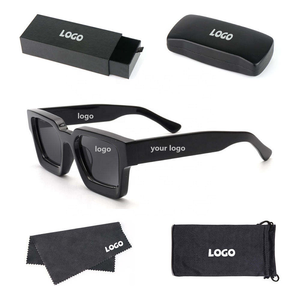
To support agile inventory planning for optical chains across Nagoya, Sakae, and the greater Chubu prefecture, we maintain ready stock across our proprietary brands (EYELET, GLOSSI, URBAND PARIS, and COUPLE) with low minimum commitments starting at 50 to 100 units total, allowing mixed model, color, and size assortments. For dedicated OEM or custom ODM private-label developments—such as branded temple laser etching, customized pad printing, bespoke Asian-fit bridge tooling, and personalized Japanese packaging—standard MOQs start at 300 units per model, subdivided across up to 3 bespoke colorways.
Lens rotation in round frames is an infamous technical issue that causes severe patient visual discomfort when astigmatic cylinders deviate from the prescribed axis. Our round metal and acetate frames feature precision-milled V-grooves engineered with asymmetrical wall angles (110° front bevel / 90° rear bevel) that mate perfectly with standard Japanese edging machinery (such as NIDEK and Topcon auto-edgers). Furthermore, our metal round series utilizes anti-rotation eyewire lock blocks equipped with micro-keyed locking washers that preserve exact radial tension when tightened, locking astigmatic lenses firmly at their exact prescribed meridian.
Yes. We routinely provide physical sample packages to professional optical buyers, chain merchandise managers, and independent opticians in Japan. Evaluation samples allow your optical technicians to test material spring constants, evaluate cellulose acetate hand-polishing smoothness, verify pad arm flexibility, test glazing compatibility with domestic progressive lenses, and inspect our patented Screwless and Active Hinge mechanisms firsthand before confirming master supply agreements.
Partner with an internationally recognized manufacturer trusted by optical professionals worldwide since 1960. Request our comprehensive wholesale optical frame catalog, complete with technical specifications, material certificates, and B2B export pricing for the Nagoya and Japanese market.