

Engineered for high durability, structural elasticity, and diverse anatomical fits. Explore our production catalog for wholesale, optical retail chains, and private label procurement.
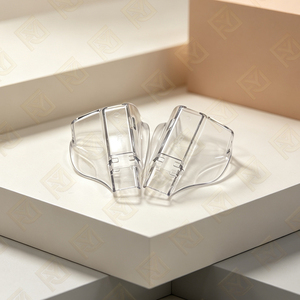
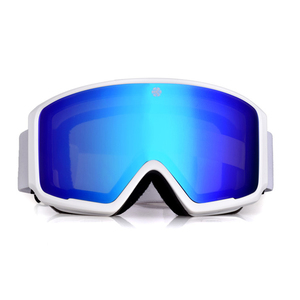
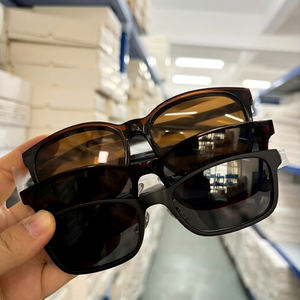
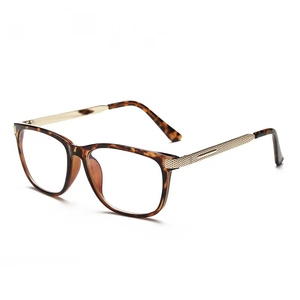
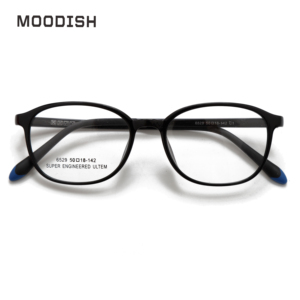
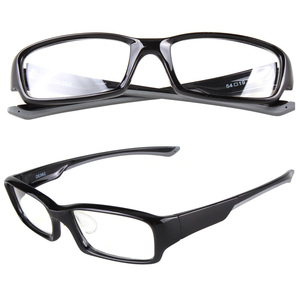
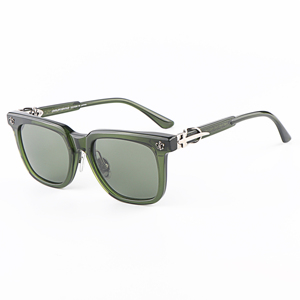
A comprehensive technical deep-dive into how leading eyewear factories balance classical circular rim geometry with modern micro-mechanical engineering and physiological load dispersion.
Traditional round frames often suffer from horizontal and vertical decentration during high-index lens insertion. By employing algorithmic rim tracing, our CNC milling centers calibrate curvature compensation curves that preserve the optical vertex distance (12mm–14mm) and pantoscopic tilt (8°–10°), ensuring peripheral spherical aberration is minimized across all diopter ranges.
Integrating patented screwless interlocking mechanisms and dual-action elastic hinges eliminates screw loosening—the number one driver of post-purchase consumer dissatisfaction. Our proprietary tension joints undergo 30,000 continuous articulation stress tests without experiencing frictional deformation, temple sagging, or loss of lateral clamping integrity.
We combine Japanese high-tensile Beta-Titanium cores with custom Italian Mazzucchelli bio-acetate laminates and medical-grade TR90 polymers. This metallurgical and polymer hybrid approach achieves ultra-lightweight chassis designs ranging between 6.8g and 11.2g, delivering all-day ergonomic suspension without causing pressure necrosis on nasal cartilage.
A granular evaluation designed for optical brand managers, wholesale distributors, and optometrist chains selecting frame raw materials for diverse end-user demographics.
| Raw Material Substrate | Specific Density (g/cm³) | Tensile Flexural Modulus | Corrosion & Hypoallergenic Rating | Optimum Target Application |
|---|---|---|---|---|
| Pure Beta-Titanium (Ti-15V-3Cr-3Sn-3Al) | 4.51 g/cm³ | 105 GPa (Superior Elasticity) | 100% Biocompatible / Sweat Impermeable | Ultra-minimalist round rims, luxury boutique collections, high-skin-sensitivity demographics. |
| Cotton-Derived Bio-Acetate | 1.28 g/cm³ | 2.8 GPa (Thermo-Formable) | Grade A Skin Compatibility (ISO 10993) | Architectural round silhouettes, vintage pantoscopic styles, dynamic multi-layer aesthetic frames. |
| Swiss Grilamid TR90 Polymer | 1.02 g/cm³ | 1.6 GPa (Shape Memory Flex) | Non-cytotoxic / Chemical Cleanser Proof | Pediatric flexible eyeglasses, athletic wrap frames, budget-friendly high-turnover optical chains. |
| Polyetherimide (ULTEM / PEI) | 1.27 g/cm³ | 3.2 GPa (Thermal Stability 217°C) | Full Medical Autoclave Compatibility | Ultra-thin foldable prescription reading frames, magnetic 2-in-1 sunglass clip assemblies. |
Strategic analysis detailing how shifting regulatory policies, consumer biometric preferences, and digital supply ecosystem evolution dictate future buying decisions.
With stringent European Green Deal mandates, suppliers are phasing out fossil-fuel plasticizers in cellulose acetate. The market is shifting rapidly toward certified 100% biodegradable acetate (composting under ISO 14855 standards within 180 days) and recycled titanium chassis, shielding retail brands from emerging eco-tariffs.
Global optical retail requires standardized frames to comfortably fit diverse facial geometries. Sourcing is evolving toward multi-fit bridge engineering—incorporating adjustable silicone pads with 3-way articulating Beta-titanium splay arms, allowing single round SKUs to seamlessly accommodate both low-bridge (Asian fit) and high-bridge (European fit) cranial forms.
Leading manufacturers now replace physical tooling delays with SLS/SLA nylon rapid prototyping. By simulating the exact bevel angle, groove depth, and center gravity balance in CAD before mold fabrication, wholesale clients reduce new silhouette time-to-market from 180 days down to 35 days, while lowering minimum order thresholds for customized capsule series.
Rooted in Singapore's precision manufacturing standards, supported by our French styling studio, and executed in our cutting-edge Shenzhen production facility.
Every shipment is covered by verifiable laboratory certifications: CE conformity (MDR 2017/745), REACH Annex XVII heavy metal screening, ANSI Z80.3 impact resilience, and FDA Medical Device registrations, protecting distributors from customs delays and import penalties.
Frames undergo exhaustive in-house torture testing: 72-hour artificial sweat immersion, 500-hour UV accelerated colorfastness chambers, salt-spray anti-corrosion screening, and pneumatic temple flex fatigue analysis before batch packaging release.
From initial 2D vector technical sketches and 3D digital renderings to master tooling, electroplating finish matching, custom laser branding, pad printing, and barcoded retail carton packaging, we offer full supply chain execution under one roof.
Essential guidance addressing lead times, quality assurance metrics, minimum order volumes, and logistical execution.
For existing stock designs with custom laser logo application, our standard MOQ starts at 100 to 300 pieces per model across multiple colorways. For complete OEM tooling with custom bespoke geometries, the MOQ is typically 500 to 1,200 pieces depending on whether the primary chassis material is CNC acetate, injection molded TR90, or precision wire-formed titanium.
Round optical frames are prone to lens slippage if bevel dimensions deviate even slightly. Our facilities utilize computer-controlled 5-axis CNC cutters that maintain eye-wire v-groove depth tolerances within ±0.02mm. This ensures optical lab edgers can mount demo lenses or high-index prescription glass without perimeter gaping, frame distortion, or lens rotation.
Yes. We provide complete technical files for every batch, including CE Declarations of Conformity under Regulation (EU) 2017/745 for Class I medical devices, EN ISO 12870 ophthalmic optics testing reports, REACH chemical restrictions compliance documentation, FDA 21 CFR 801.410 drop ball impact test records, and California Proposition 65 toxicity clearances.
CAD rendering approval and functional SLA 3D prototype creation require 7 to 10 working days. Tooling and physical pilot sample fabrication take approximately 30 to 45 days. Once pre-production samples are verified, mass production runs require 45 to 60 days for TR90 and injection frames, and 60 to 75 days for multi-stage hand-polished acetate and metal electroplated structures.
All metal components intended for skin contact undergo multi-layer Physical Vapor Deposition (PVD) or nickel-free electrolytic plating covered by an electrostatic polyurethane protective lacquer. Batch samples are tested in accordance with EN 1811 to ensure nickel release rates remain well below the regulatory limit of 0.5 µg/cm²/week.
Connect with our senior engineering team to request complete catalog pricing, technical sample packages, or discuss custom OEM/ODM manufacturing briefs with full IP protection.
Inquire Now