
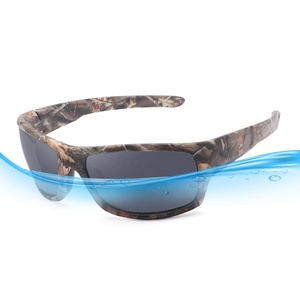
Engineered for high-volume optical chains, regional distributors, and medical optometry retailers. Fully customizable for OEM/ODM private label programs.
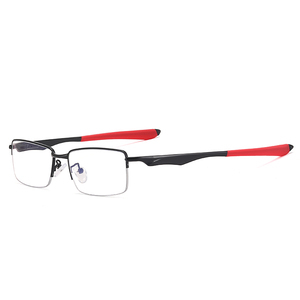
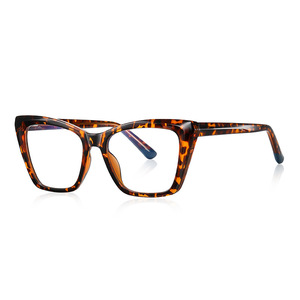
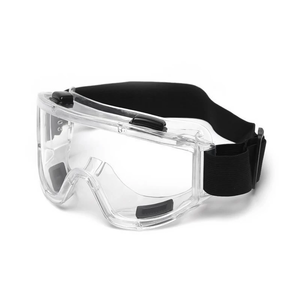
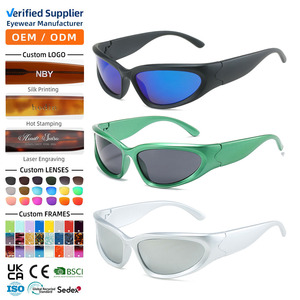
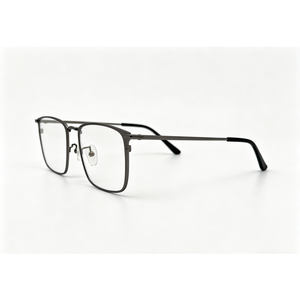
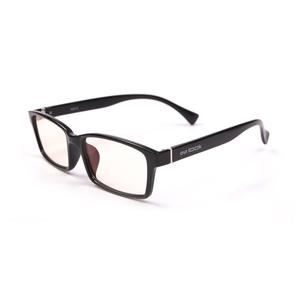
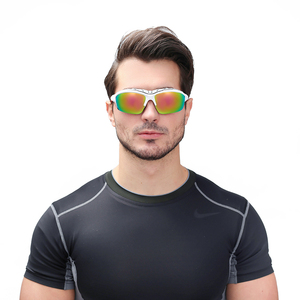
Combining European avant-garde aesthetics, Japanese mechanical R&D precision, and high-efficiency Shenzhen manufacturing capacity to reduce supply chain overhead.
Originating from foundational retail lens grinding with Nanyang Optical in Singapore, our leadership understands optical dynamics from both the clinical bench and large-scale industrial CNC lines.
Celebrated globally with 14 prestigious design awards, 6 nominations, and special invitations spanning the iF Design Award, Red Dot, SILMO d'Or, and President's Design Award.
Corporate executive operations centered in Singapore, an independent concept studio in Douvres-la-Délivrande, France, and our primary export and mass-machining base in Longgang, Shenzhen.
Eliminating common point-of-failure issues in retail optical dispensing through patented structural joints and advanced friction management.
Traditional miniature optical screws suffer from thread striping, back-out vibration, and corrosion. Our micro-machined interlocking joints deliver reliable, perpetual retention without metal thread binding.
Engineered active temple flexure that moves dynamically past 90 degrees under sudden lateral force and effortlessly resets to anatomical alignment, preventing frame warping and ear irritation.
Pediatric eyewear utilizing high-tensile polymer strings combined with pure surgical-grade TR90 fronts. Drop-proof, twist-proof, and designed to endure rough school environments safely.
Comprehensive metallurgical and resin benchmarks to assist wholesale procurement teams in planning regional collections.
| Material Classification | Specific Density (g/cm³) | Tensile Flexural Yield | Surface Finishing Capability | Key Procurement Advantage |
|---|---|---|---|---|
| Cellulose Acetate (Mazzucchelli Grade) | 1.28 - 1.32 | Moderate (High Memory) | High-Gloss Hand Buffing, Multi-Layer Lamination | Unrivaled depth of color, luxury perception, premium optical margins. |
| Swiss Grilamid TR90 Polymer | 1.02 - 1.05 | Exceptional (Super Elastic) | Matte Rubberized, PVD Spray, Color Injection | Ultra-lightweight comfort, shatterproof safety for pediatric and sports wear. |
| Medical Grade Beta-Titanium | 4.50 - 4.54 | Extremely High Resistance | Ion Plating, Anodization, Micro-Laser Etch | Hypoallergenic, ultra-thin wire profiles, lifetime mechanical durability. |
| High-Tensile Stainless Steel (304/316L) | 7.90 - 8.00 | High Structural Rigidity | Vacuum Electroplating, Mirror Polished | Slim profile stability, budget-to-luxury flexibility, easy cold-bend adjustments. |
| Optical Polycarbonate (Impact PC) | 1.20 - 1.22 | High Impact (Ballistic Rated) | Hydrophobic Hard-Coat, Anti-Fog Deposition | EN166 and ANSI Z87.1 industrial safety and high-velocity tactical compliance. |
Strategic analysis for brand directors, commercial buyers, and supply chain managers seeking to de-risk inventory and capitalize on macro shifts in consumer vision care.
Global regulatory bodies (notably the EU Green Deal) are enforcing stricter life-cycle tracing. Forward-looking buyers are transitioning frame runs to bio-based acetate plasticized with plant derived polyols, reducing phthalate leaching and satisfying corporate ESG quotas.
Remote workplace environments and screen-dominant lifestyles have made blue-light filtration standard. The trend is shifting from heavy yellow tinted coatings to monomer-infused 420nm light-filtering optical polymers with high luminous transmittance.
To reduce inventory liabilities, chains are demanding modular bridge systems and interchangeable temple assemblies. A single core frame front can now serve both optical prescription needs and magnetic polarized sun-clip attachments.
A closer look at how modern fabrication technology is transforming optical performance, mechanical resilience, and retail turnaround times.
Replacing traditional stamping, automated 5-axis CNC machines cut acetate billets within 0.02mm tolerances, creating sculptured, multi-faceted frame contours without internal strain.
Laser powder-bed fusion enables intricate, ultra-lightweight lattice structures impossible via casting, reducing temple weight below 2.5 grams while maximizing structural resilience.
Physical Vapor Deposition in high-vacuum chambers applies protective nanometer-thin ceramic layers, ensuring metal frames resist perspiration acid and salt mist for years.
Modern temple architectures are engineered with inner cavities designed to accept micro-circuits, bone-conduction transducers, and display modules without disrupting aesthetic proportions.
Direct technical answers addressing lead times, compliance standards, customization boundaries, and bulk wholesale logistics.
For fully custom frame geometries (requiring bespoke tooling, molding, and unique acetate extrusion), our standard Minimum Order Quantity starts at 300 to 500 units per model, split across 2–3 bespoke colorways. For catalog-ready designs from our established brand collections (EYELET, GLOSSI, URBAND PARIS, COUPLE), flexible trial allocations can start as low as 50 to 100 units per SKU.
Every shipment is backed by a batch-specific compliance dossier. This includes CE Declarations of Conformity under EU Medical Device Regulation (MDR 2017/745 Class I), EN ISO 12870 testing reports for ophthalmic frames, EN ISO 12312-1 certificates for sun optics, REACH Annex XVII heavy metal/nickel release screening, and FDA registration credentials for North American market entry.
Yes. Urband International operates an integrated multi-brand model. Optical retail chains and distributors can mix adult luxury acetate frames, ultra-light titanium business glasses, specialized pediatric flexible frames (EYELET), and ergonomic reading collections (COUPLE) under a unified wholesale invoice, significantly lowering cross-border customs clearing fees and logistics overhead.
We deploy strict Statistical Process Control (SPC) protocols. Temple flex resistance is measured via automated cycle testing (10,000 cycles minimum), bridge weld integrity is verified through pneumatic stress jigs, and front curvature consistency is audited with digital optical comparators to prevent post-glazing lens pop-out problems at dispensing optometry desks.
Rapid 3D SLA functional fit prototypes are generated within 5 business days from our Shenzhen engineering office. Upon technical blueprint approval, pilot tooling requires 25–30 days. Full-scale production cycles generally span 45 to 60 calendar days depending on surface finishing intricacies, with express air cargo or balanced sea consolidation handled directly via Shenzhen/Hong Kong shipping hubs.
Connect with our international engineering desks in Singapore, France, or Shenzhen. Secure priority wholesale quotations, inspect precision physical samples, and elevate your retail margins.
Send an Inquiry