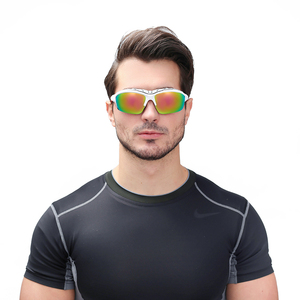
Precision-molded TR90 and high-modulus polymer frames engineered for multi-mission field operations, tactical shooting, aquatic pursuits, and prescription safety adaptations.
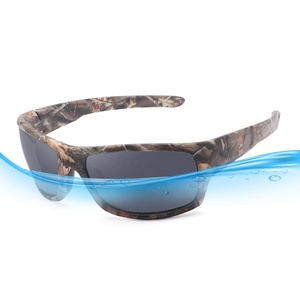
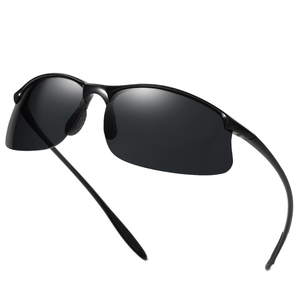
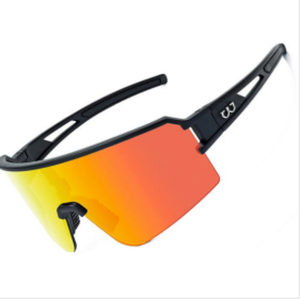
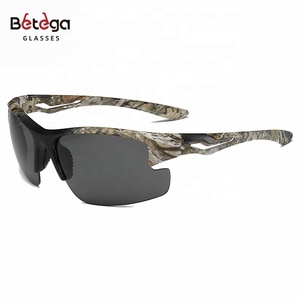
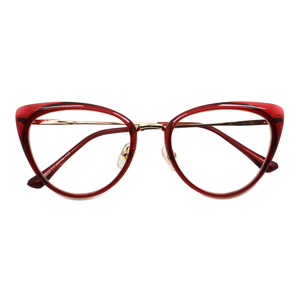
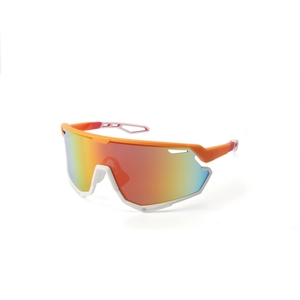
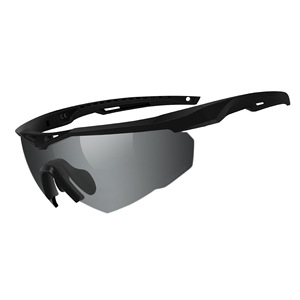
Urband International bridges high-fashion ergonomics with extreme tactical survivalism. Originating in Singapore in 1960 through founder Yang Wah Kiang's precision lens laboratory, we have evolved into a worldwide manufacturing powerhouse with European design styling and Shenzhen precision production lines.
Tactical failures predominantly occur at the temple hinge screw under lateral recoil or impact. Our proprietary Screwless Hinge and Active Kinetic Hinge assemblies eliminate conventional loose screws, providing high-cycle elasticity and returning temples seamlessly to true alignment without shearing.
Combining corporate governance in Singapore, ergonomic industrial design from Douvres-la-Délivrande, France, and high-tolerance CNC tooling at our Shenzhen facility ensures our overseas buyers receive European aesthetics backed by China's agile mass manufacturing and competitive pricing.
We do not issue generalized factory declarations. Every tactical frame and lens combination is backed by individual batch certifications across CE EN 166, EN ISO 12312-1, ANSI Z87.1-2020 High Velocity Impact, MIL-PRF-32432A ballistic tests, and complete REACH chemical screenings.
Tactical eyewear demands zero compromise between mechanical impact absorption and optical distortion. Explore the metallurgical, polymer, and optometric parameters driving military-grade frame production.
| Specification Standard | Impact Energy / Velocity Requirement | Primary Application Profile | Chassis Material Architecture | Compliance Status |
|---|---|---|---|---|
| MIL-PRF-32432A (Class 1) | 0.15 cal, 5.8 grain projectile at 640–660 ft/s (Spectacle) | Military Combat, Armed Tactical Entry, EOD | Swiss Grilamid TR90 + Polycarbonate Core | Mil-Qualified |
| ANSI Z87.1-2020 (+) | 1/4-inch steel sphere at 150 ft/s (High Velocity Impact) | Law Enforcement, Shooting Range, Tactical Training | High-Modulus Nylon PA12 / Co-Molded TPE | Certified |
| EN 166:2001 (Level F/T) | 6mm steel ball at 45 m/s under extreme temperature (-5°C/+55°C) | European Defense Contractors & Industrial Security | High-Density Polyamide with Elastic Memory | Certified |
| STANAG 2920 / 4296 | V50 ballistic limit test ≥ 215 m/s for combat eyewear | NATO Armed Forces & Special Operations Groups | Reinforced Titanium Hybrid / TR90 Compound | Mil-Qualified |
Standard eyewear designs, when molded into high-wrap (Base 8 or Base 9) tactical curvatures, induce significant prismatic deviation, astigmatic blur, and peripheral displacement. In combat or sport shooting scenarios, this causes spatial target offset and severe eye fatigue.
Urband's tactical optical frames utilize computer-decentered progressive thinning algorithms on all curved shields. By strategically shifting the optical center and tapering lens thickness from optical center to temple edge, our frames retain genuine target fidelity across the shooter's entire field of vision (180° situational awareness) conforming to ISO 12311 Class 1 optical clarity ratings.
While generic sports sunglasses utilize recycled polycarbonates or brittle acrylics, tactical frames engineered by Urband employ virgin Swiss Grilamid TR90 and specialized PA12 homopolymers. The mechanical benefits are decisive:
Global defense budgets, law enforcement modernization programs, and outdoor tactical retail chains are redefining technical requirements. Here are the major trends shaping tactical eyewear through 2030.
Traditional thick temples break the acoustic seal of tactical over-ear electronic hearing protection (earmuffs), reducing noise attenuation by up to 10dB and causing pressure headaches. Procurement tenders now mandate micro-thin (0.8mm–1.2mm) malleable temples fabricated from high-tensile titanium alloys or shape-memory polymers that preserve the acoustic ear-cup seal without compromising lateral retention.
With more than 35% of military and security personnel requiring corrective vision, modern tactical frames must integrate snap-in prescription optical inserts (Rx carriers). Future procurement insists on zero-lash retention, quick-detach mechanisms, and wider vertical lens apertures that eliminate peripheral chromatic aberrations when high astigmatic or myopic lenses are fitted.
Fogging remains the number one tactical liability during high-exertion close-quarters operations. The industry is moving away from temporary spray-on surfactants toward permanent, dual-action coatings: hydrophobic scratch-resistant exterior surfaces combined with hydrophilic anti-fog interior matrices, complemented by channel-vented top brow rims that evacuate body heat.
Key technical, regulatory, and supply-chain answers for optical wholesalers, tactical distributors, and government procurement officers.
Tactical frames must comply with high-velocity ballistic impact criteria (MIL-PRF-32432A or ANSI Z87.1+). Unlike consumer sports glasses that can shatter into hazardous splinters upon impact, tactical frames utilize elastic non-fragmenting polymers, reinforced lens retention grooves that prevent lens dislodgement into the eye orbit, and flame-retardant, chemical-resistant finishes.
We provide full-spectrum engineering from initial 3D CAD/SolidWorks modeling and rapid stereolithography prototypes to high-precision CNC hardened steel injection molds. Standard tooling cycles take approximately 35–45 days, followed by sample delivery with complete drop-ball, chromatic decentration, and flexure test documentation.
Yes. Our frames utilize either direct-glaze high-wrap bevel engineering (for low-to-medium prescriptions up to ±3.00D) or dedicated snap-lock ballistic Rx carrier inserts (capable of handling corrections up to ±8.00D with wide cylinder). The inserts are positioned at an optimal vertex distance to prevent eyelash contact.
For custom OEM production (custom frame pantone colors, laser-engraved logos, specialized lens coatings), our typical MOQ is 300 to 600 units per colorway. For in-stock catalog configurations with white-label pad printing, orders start as low as 100 units. Mass production delivery typically spans 30 to 45 days after deposit confirmation.
We implement a strict statistical QA protocol. During production, 5 frames from every 1,000-unit batch are subjected to destructive impact testing using our in-house high-velocity gas cannon. We inspect raw polymer resin pellets using differential scanning calorimetry (DSC) to ensure zero batch contamination or thermal degradation.
We offer military-spec matte non-reflective coatings including Cerakote® tactical ceramic finishes, soft-touch rubberized TPE spraying, and multi-terrain hydro-dipped camouflage patterns (Woodland, Multi-Cam, Desert Tan, and Stealth Matte Black) formulated to resist UV discoloration and salt spray corrosion.
Collaborate with an established Singapore-European-Chinese manufacturing partner. Request comprehensive ballistic test logs, technical drawings, pricing matrices, and master catalogs today.
Get Catalog