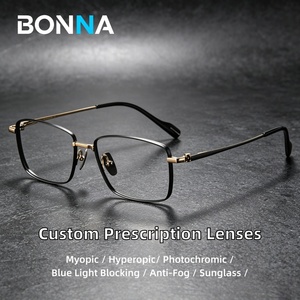
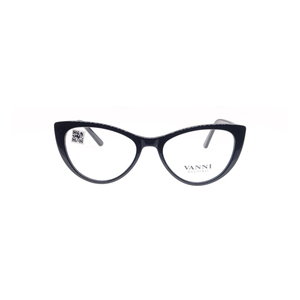
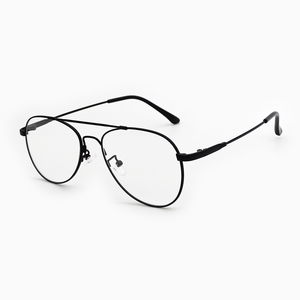
Engineered for high-volume optical retail programs, high-yield private label collections, and ergonomic ophthalmic performance across diverse wearer demographics.
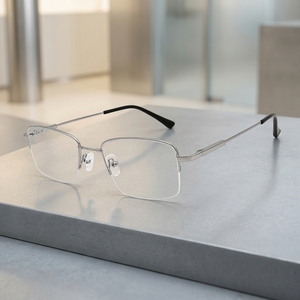
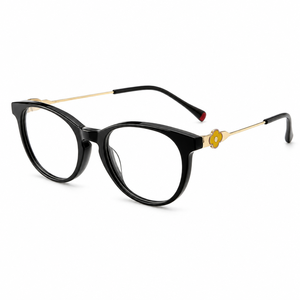
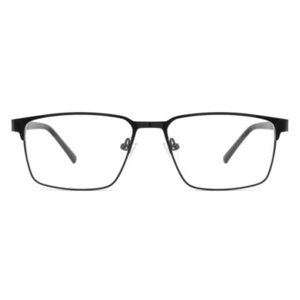
In high-end optical frame manufacturing, material composition directly dictates structural longevity, tensile elasticity, and real-world wearer comfort. As an engineering-driven OEM/ODM titanium eyeglass frames supplier and exporter, our production lines distinguish strictly between Japanese ASTM F67 Grade 1/2 Pure Titanium and aerospace-grade Beta-Titanium alloys (specifically Ti-15V-3Cr-3Sn-3Al and Ti-Ni shape memory formulations).
Pure Titanium (Grade 2): Exhibiting an ultimate tensile strength exceeding 345 MPa with exceptional corrosion resistance, Pure Titanium is predominantly deployed across rim wires, bridges, and front chassis components. Its bio-inert properties eliminate the possibility of dermatological allergic reactions (dermatitis), conforming completely with the stringent requirements of REACH Regulation (EC) No 1907/2006 for nickel release rates (<0.5 μg/cm²/week).
Beta-Titanium (β-Titanium): Featuring a body-centered cubic (BCC) crystal lattice, Beta-Titanium provides a remarkably low modulus of elasticity (~80 to 90 GPa) paired with high yield strength (>880 MPa). This elasticity profile makes β-titanium the premier choice for ultra-slim temples, rimless mountings, and dynamic flex bridges. The alloy absorbs repetitive cyclic deflection beyond 50,000 continuous hinge-flexing iterations without experiencing structural fatigue, plastic deformation, or stress-corrosion cracking.
| Material Category | Composition & Structure | Modulus of Elasticity (GPa) | Tensile Strength (MPa) | Ideal Assortment Application |
|---|---|---|---|---|
| Pure Titanium (Gr. 1 & 2) | α-Hexagonal Closed Packed (>99.2% Pure Ti) | 105 – 110 GPa | 345 – 450 MPa | Solid rim chassis, sculpted bridges, hypoallergenic pads |
| Beta-Titanium (β-Ti) | BCC Phase (Ti-15V-3Cr-3Sn-3Al) | 80 – 90 GPa | 880 – 1020 MPa | Flexible temples, screwless leaf springs, rimless frames |
| Memory Titanium | Nickel-Titanium Intermetallic (Nitinol) | 40 – 75 GPa (Martensitic) | 750 – 960 MPa | Active lifestyle, flexible kids' frames, sports bridges |
| Titanium-Acetate Hybrid | Milled Cellulose Acetate + Beta-Ti Core | Composite Multi-Axis | Variable Engineered | Luxury architectural eyewear, vintage business silhouettes |
Combining heritage craftsmanship with advanced French design and precision Shenzhen production to minimize supplier complexity.
Founded on lens-grinding precision in Singapore's optical workshops (founder co-established Nanyang Optical in 1960). Deep diagnostic understanding of lens surfacing, decentration, and beveling.
Headquartered in Singapore for finance and logistics; independent design studio in Douvres-la-Délivrande, France; and technical operations in Shenzhen, China, coordinating world-class factory lines.
Documented design excellence across Red Dot Design Awards, iF Design Awards, SILMO d'Or, and Singapore President’s Design Award. Original IP portfolio that reinforces counter-side retail authority.
Proprietary engineering including Screwless Hinges eliminating temple loosening, Active Spring Hinges with biomechanical self-centering, and EYELET nylon-string soft-locks for pediatric drop protection.
How progressive optical chains, e-commerce DTC innovators, and global distributors are structuring their frame programs for the next decade.
Procurement directors are systematically phasing out heavy baseline alloys. Progressive optical lines target chassis densities under 6.5 grams through chemical milling, multi-axis micro-CNC profiling, and hollow-core beta-titanium wire extrusions that deliver featherlight facial suspension.
Traditional wet chemical electroplating generates toxic heavy-metal effluents and degrades under perspiration. The industry is moving to eco-conscious Magnetron Sputtering PVD finishes (TiN, ZrN, Diamond-Like Carbon) delivering 3–5× higher scratch hardness with zero toxic discharge.
After-sales warranty claims in wholesale chains are 68% driven by backed-out hinge screws. Procurement specifications for 2025–2030 demand mechanical interlocks, snap-in beta-titanium collars, and resilient friction bushings that remove mechanical hardware entirely.
The convergence of prescription eyewear with wearable audio and AR optics requires conductive, structural rigidity without added bulk. Titanium serves as an internal skeletal chassis that shields sensitive sensor packages and batteries while retaining cold-bend adjustment capability.
With corporate ESG regulations rising across North America and the EU, optical buyers are validating carbon audit trails. Our OEM programs utilize certified medical-grade recycled titanium chips, remelted via vacuum arc remelting (VAR) to reduce raw material emissions by 72%.
B2B buyers are mitigating inventory stockout risks by ordering shared front chassis matched to modular, hot-swappable temple tips, nose pad designs, and clip-on sunglasses (ANSI Z87.1 / Polarized TAC), effectively quadrupling visual SKU variants per tooling run.
Direct technical answers addressing tool design, minimum batch volumes, surface longevity, and international border clearances.
Our standard minimum order quantity for completely bespoke OEM tooling in Pure Titanium or Beta-Titanium is 300 pieces per model, broken down into 100 pieces per colorway. For our ready-tooling ODM catalog or running chassis platforms, minimum commitments can start as low as 100 units per style to accommodate specialized regional test launches.
We perform all critical micro-welding cycles (bridge joints, pad arms, and end-piece assemblies) inside vacuum inert-gas chambers flooded with 99.999% pure argon gas. Oxygen levels are monitored and maintained strictly below 50 ppm to prevent interstitial oxygen migration, eliminating brittle fractures under cold adjustment in dispensing clinics.
Every shipment is accompanied by product-specific testing documentation: Declaration of Conformity (DoC) for EU MDR 2017/745, CE conformity evidence, ISO 12870 ophthalmic frame mechanical endurance test reports (bridge deformation & endurance), REACH Annex XVII nickel release compliance, and EN ISO 12312-1 records for sun protection products.
We maintain comprehensive OEM Non-Disclosure Agreements (NDAs). Custom tooling dies, 3D parametric CAD files, stamping molds, and stamping inserts remain the exclusive, segregated intellectual property of the purchasing brand. Mold assets are preserved in insured climate-controlled tooling vaults between production cycles.
We utilize physical vapor deposition (PVD) using high-vacuum cathode-arc technology, depositing TiN, TiCN, and chromium-based ceramic coats at thicknesses of 1.2 to 2.5 microns. Coated surfaces undergo severe testing: 48-hour artificial sweat immersion, cross-hatch adhesion ASTM D3359 testing, and 120-hour neutral salt spray checks without blistering.
Yes. Through Urband International’s single-account framework, buyers can source cross-material assortments: beta-titanium ophthalmic frames, handmade Mazzucchelli acetate collections (Active & Me), TR90 flexible children's frames (EYELET), and prescription sports frames (URBAND PARIS) under one master supply agreement and consolidated shipment bill.
Standard design review, 3D SLA prototype printing, and dimensional validation take 10–14 business days. Mold tooling, wire EDM dies, and master stamping setup require 35–40 days. Final sample approval precedes mass run cycles, which average 50–65 days from raw ingot allocation to batch inspection, lens edging, and export packaging.
Our CNC-milled titanium rim channels maintain an internal groove tolerance of ±0.05 mm, compatible with automatic industrial edgers (such as Essilor, Nidek, and Briot). This tight tolerance prevents edge-flaking, lens rattle, or excessive rim stretch during glazing with high-index 1.67 and 1.74 ophthalmic lenses.
Yes. While Beta-Titanium is selected for elastic temple tension, our Pure Titanium bridges and end-pieces are annealed to allow smooth, permanent pantoscopic tilt and temple spread adjustment using standard optical plier tooling without chipping coatings or distorting lens retention.
We support end-to-end retail preparation: automated GS1 barcode generation, SKU packaging in biodegradable master polybags or rigid luxury presentation cases, branded microfiber cloths, custom temple heat-stamping, and laser engraving with model numbers, pantoscopic specs, and CE/UKCA regulatory marks.