
High-Demand Custom Optical Frames for Wholesale Sourcing
Explore our top-performing prescription eyewear collections, fully customizable with OEM private branding, precision hinges, and advanced optical materials.
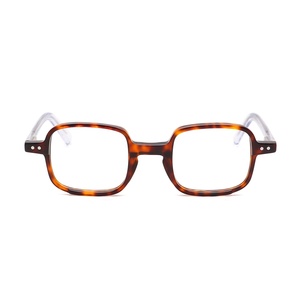
KingSwit KF1103 Trendy Custom Acetate Square Optical Frame Geometric Pattern CE Certified Retro Style Unisex
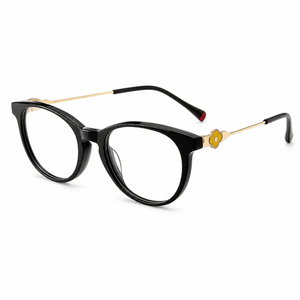
Retro Children's Round Optical Glasses Frames Model 03001 Kids Jelly Eyeglasses with Yellow Flower Decor
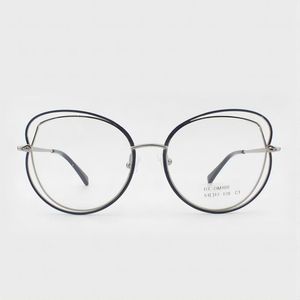
RT-OM108 Irregular Design OEM Wholesale Custom Optical Glasses Metal Stainless Steel Eyeglasses Frames
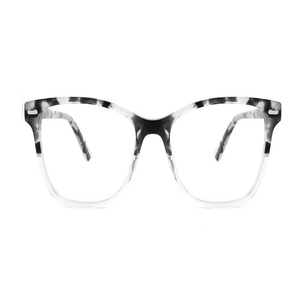
TR90 New Full Frame Optical Glasses for Men and Women Comfortable Anti-Blue Light Eyeglasses for Adults
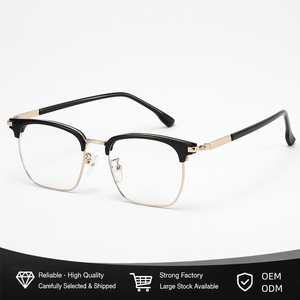
Metal Rim Browline Eyeglasses Women Men Oversized Frame Extended Temples Blue Light Blocking UV400 Wholesale
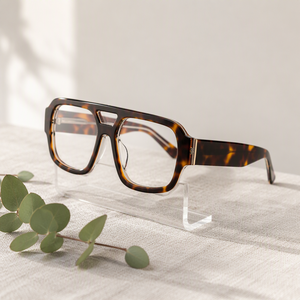
Hot Sales Acetate Frame Optical Glasses Anti-Blue Light Square Double Bridge Eyewear For Reading Office Daily Men Women
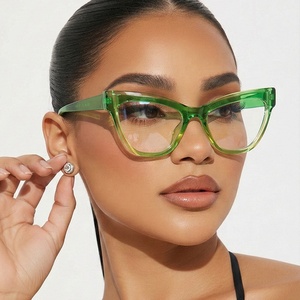
High Quality Customized Retro Cat Eye Women's Eyeglasses Frames Fashionable Anti-Blue Light All Face Shapes
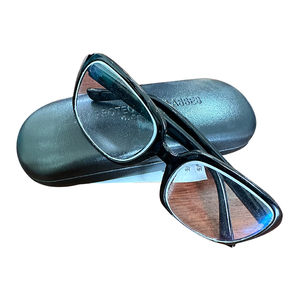
Factory Wholesale Safety Lead Goggles / X-Ray Lead Glass / Xray Glasses 0.75mmpb 0.5mmpb Medical Protection
Why Top Optical Retailers & Brands Partner with Urband International
Founded on over six decades of master lens-crafting expertise and international frame engineering, Urband International bridges European aesthetic design with advanced Asian production ecosystems.
Multi-Regional R&D Architecture
Our operations combine strategic headquarters in Singapore, creative design teams in France, a historic design connection to Japan, and high-precision manufacturing control centers in Shenzhen, China. This multi-hub model guarantees global stylistic relevance and flawless technical execution.
Proprietary Mechanical Innovations
We hold patents for revolutionary hinge mechanisms including our Screwless Soft-Lock Hinge and Active Flex Hinge system. These screw-free frame structures virtually eliminate field maintenance issues caused by loose or missing screws in retail optical environments.
21 International Design Awards
Between 2006 and 2024, Urband earned 21 prestigiou recognitions, including 14 awards, 6 nominations, and 1 invited showcase across iF Design Award, Red Dot Design Award, SILMO d'Or, President's Design Award, and IDSA. OEM clients benefit directly from this award-winning design DNA.
Consolidated Multi-Brand Sourcing
A single enterprise wholesale account grants full access to five distinct brand verticals: EYELET (pediatric flex eyewear), GLOSSI (fashion-forward women's frames), URBAND PARIS (urban RX-sport), and COUPLE (ergonomic reading glasses).
Product-Specific Compliance Documentation
We do not rely on blanket factory declarations. Every production run is backed by batch-matched compliance files, including CE Conformity Declarations, EN ISO 12312-1 sunglass lens safety test reports, REACH screening reports, and optical dimensional tolerance verifications.
Agile OEM Customization & Low MOQs
From custom acetate block lamination to specialized PVD vacuum plating, laser branding, custom bridge sizing, and bespoke pantoscopic tilt adjustments, our flexible line scheduling supports high-mix, custom batch manufacturing tailored for growing optical chains.
Optical Frame Materials & Structural Engineering Standards
Selecting the appropriate material substrate dictates frame longevity, flexural recovery, facial pressure distribution, and long-term customer satisfaction.
| Material Category | Mechanical Properties | Manufacturing Precision | Biocompatibility / Safety | Target OEM Applications |
|---|---|---|---|---|
| High-Density Cellulose Acetate | Flexural Modulus: 2.4 GPa High color depth & polish retention |
5-Axis CNC Milling Hand-Polished Finish |
Hypoallergenic, Organic Cotton Base | Luxury Fashion, Geometric Vintage, Premium Rx Optics |
| Swiss EMS Grilamid TR90 | Tensile Yield Strength: 60 MPa Extreme memory flex & impact resistance |
High-Precision Injection Mold Hydrophobic Coating |
FDA / REACH Compliant, Non-Toxic Plasticizer Free | Pediatric Frames (EYELET), Active Sports & Safety Eyewear |
| Beta-Titanium & Pure Titanium | Density: 4.51 g/cm³ Ultra-lightweight with memory spring force |
Laser Micro-Welding Ion-PVD Vacuum Plating |
100% Bio-Inert, Zero Nickel Content | Executive Minimalist Rimless, Ultra-Light Prescription Optics |
| 316L Stainless Steel & Windsor Alloys | High Structural Stiffness Corrosion & Sweat Acid Resistance |
Precision Stamping & Profile Wire Drawing | Coated with Nickel-Free Protective Lacquer | Browline Combination Frames, Fine Metal Wire Classics |
Technical Deep Dive: The EYELET Nylon-String Soft-Lock Mechanism
Traditional pediatric eyeglasses fail primarily at the metal hinge screw connection due to continuous lateral impact and rough handling by children. Urband’s patented EYELET soft-lock system replaces rigid metal pins and tiny screws with a high-tensile nylon-string retention structure.
When subjected to extreme lateral bending or twist forces, the temple articulates safely beyond the 90-degree threshold without breaking or deforming the front eyewire. The internal tension automatically snaps the temple back into true optical alignment. This drastically reduces store returns, warranty replacement costs, and repair downtime for optical retailers worldwide.
Future Technical & Design Development Trends in Optical Eyewear
Understanding technology paradigm shifts allows enterprise optical buyers to align product development roadmaps with emerging consumer expectations.
1. Hardware-Free Screwless Architecture
The global optical industry is aggressively moving away from standard microscopic micro-screws toward integrated hinge geometry. Screwless frames eliminate threads stripping, screw loosening, and temple detachment. OEM factories capable of producing reliable screw-free retention mechanisms will dominate the premium prescription market segment over the next decade.
2. Eco-Friendly Bio-Acetates & Recycled Polymers
Regulatory bodies such as the EU Commission are pushing stricter environmental mandates. Wholesale optical buyers are prioritizing bio-based cellulose acetate (derived from wood pulp and plant seed flakes with bio-plasticizers) and 100% recycled TR90 granules. Future OEM production must balance carbon-neutral material sourcing with uncompromised dimensional stability during lens glazing.
3. Advanced Ergonomic Pediatric & Myopia Management Frames
With global pediatric myopia rates surging, optical frames are no longer viewed merely as fashion accessories for children; they are medical delivery devices for specialized defocus myopia control lenses. OEM frames must provide absolute pantoscopic angle stability, zero nose-pad slippage, and non-distorting vertex distances to ensure prescribed lens optical centers remain correctly positioned.
4. Hybrid Multi-Material Integration
Modern frame aesthetics demand seamlessly blending contrasting materials—such as high-density acetate rims cold-fitted into ultra-thin titanium chassis, or carbon fiber temple cores embedded within flexible TR90 injection sleeves. Master OEM factories must possess multi-disciplinary tooling to achieve micron-level fit tolerances between disparate materials.
5. Smart Blue-Cut & Phototherapeutic Lens Glazing
With screen-time increasing globally across all age demographics, factory-glazed non-prescription blue-light blocking lenses and phototherapeutic tint coatings are becoming standard baseline offerings. OEM suppliers must offer cleanroom lens edging and automated lens insertion to support turn-key bulk ready-to-wear optical orders.
6. Digitalized Custom Sizing & 3D Parametric CAD
Procurement is evolving from static physical sample catalogs to parametric 3D CAD modeling. Enterprise buyers can request custom bridge width modifications, temple length adjustments, and eyewire resizing digitally before physical mold cutting, cutting custom prototype lead times from months down to days.
Future Procurement & Sourcing Trends for Enterprise Optical Buyers
How global distributors, retail chains, and hospital optical groups are restructuring their supply chain risk management.
1. Shift from Spot Purchasing to Strategic OEM Co-Development
Enterprise optical chains are moving away from buying off-the-shelf open-market generic frames. Open-market models lead to price wars, identical competitor product offerings, and low customer loyalty.
Modern procurement directors seek OEM manufacturing partners like Urband International, who offer exclusive frame geometries, custom colorway block releases, and patented hinge solutions protected by territorial exclusivity contracts.
2. Rigorous Audit Trail & Environmental-Social Compliance
Global regulatory frameworks (such as the EU Corporate Sustainability Due Diligence Directive) require optical importers to verify their supplier factories' labor standards, raw material origins, chemical safety (REACH compliance), and environmental footprint.
Factories offering full transparent batch documentation, ethical labor certifications, and certified chemical management gain a massive competitive advantage in tender negotiations.
Standardized Custom OEM Sourcing Workflow
Target market profile, material specs, and dimensional CAD blue-printing.
Rapid 3D SLA modeling and CNC hand-cut sample validation within 14 days.
Custom steel mold cutting, color block lamination, and hardware forging.
Bridge flex tests, temple endurance cycling, and 100% optical alignment inspection.
Custom barcoding, eco-packaging, and air/sea door-to-door clearance.
Frequently Asked Questions for Optical Enterprise Buyers
Comprehensive technical and commercial insights to streamline your OEM wholesale procurement process.
What is the Minimum Order Quantity (MOQ) for custom OEM optical frame manufacturing?
How does Urband handle private label branding, logo engraving, and custom packaging?
What international optical safety standards and regulatory certificates do your frames comply with?
- European Union: CE Marking under EU Medical Device Regulation (MDR 2017/745) Class I, EN ISO 12870 (Optical Frames), and EN ISO 12312-1 (Sunglasses).
- United States: FDA Device Registration, ANSI Z80.3 impact resistance standards, and drop-ball testing validation.
- Chemical Safety: EU REACH Regulation (EC No 1907/2006) screening for Nickel release, Phthalates, Cadmium, and Lead content.
What is the technical distinction between a Screwless Hinge and an Active Hinge?
Can Urband supply pre-cut anti-blue light or prescription reader lenses pre-assembled in OEM frames?
What is the standard lead time for custom OEM prototype development and mass production delivery?
How do you ensure frame dimension consistency and pantoscopic tilt accuracy across mass production batches?
Accelerate Your Wholesale Optical Growth Today
Partner with an award-winning OEM/ODM optical frame manufacturer. Consult directly with our senior optical engineering and wholesale sourcing specialists to request complete product catalogs, CAD specifications, and factory wholesale quotes.