Explore our export-ready, high-turnover optical frames spanning medical-grade Ultem PEI, Swiss Grilamid TR90, hand-finished cellulose acetate, and aerodynamic ballistic safety systems. Each model is engineered for bespoke OEM/ODM adaptation with verified ophthalmic dimensional stability.
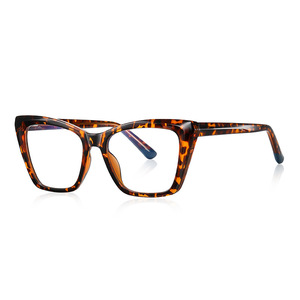
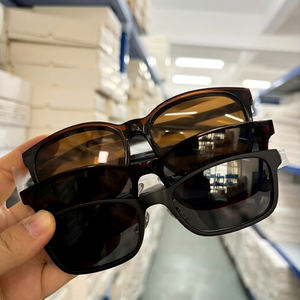
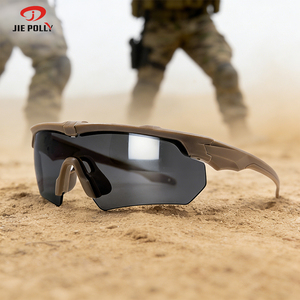
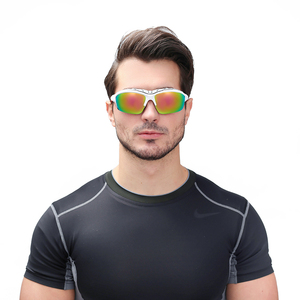
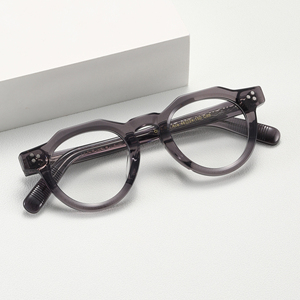
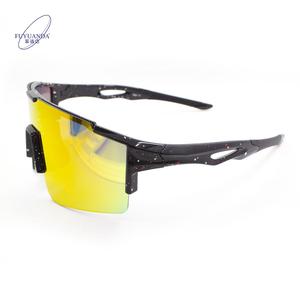
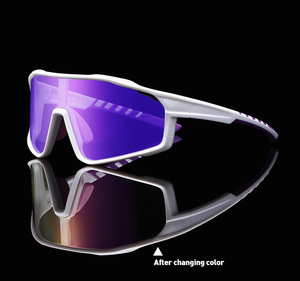
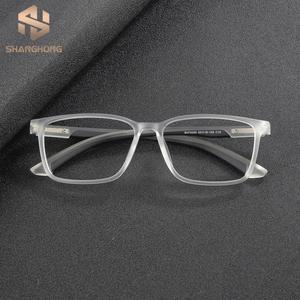
Combining time-tested craftsmanship with state-of-the-art CNC micro-machining. Our founder's journey began in 1960 Singapore grinding ophthalmic lenses by hand, evolving into a transnational eyewear powerhouse recognized with 21 premier international design awards.
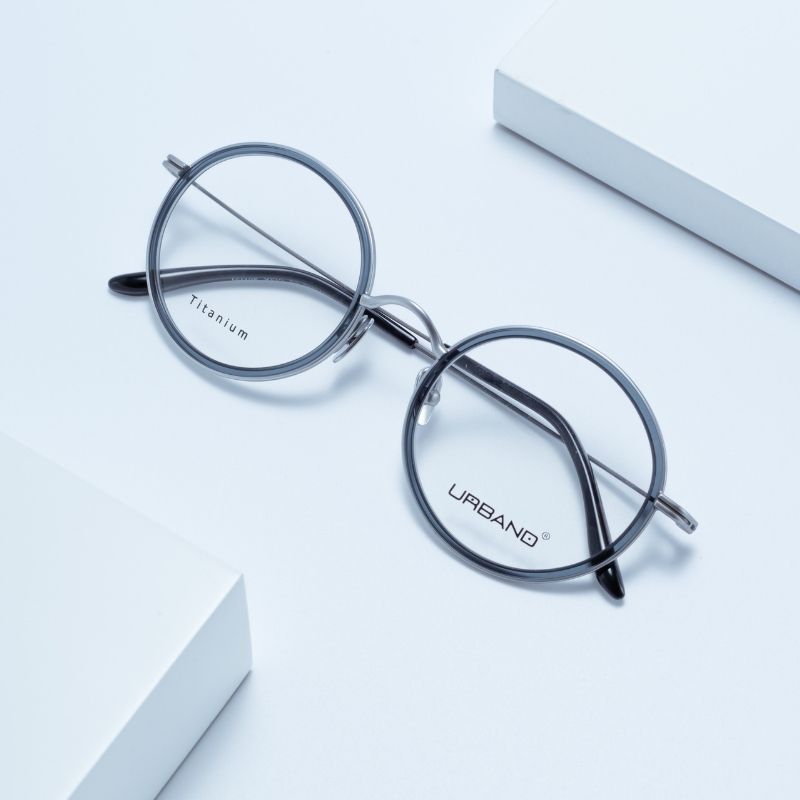
Beyond generic contract manufacturing, we engineer proprietary brand identities including EYELET children's eyewear, GLOSSI feminine couture, URBAND PARIS sports frames, and COUPLE mature reading optics. Clients access ready-to-market collections with protected intellectual property.
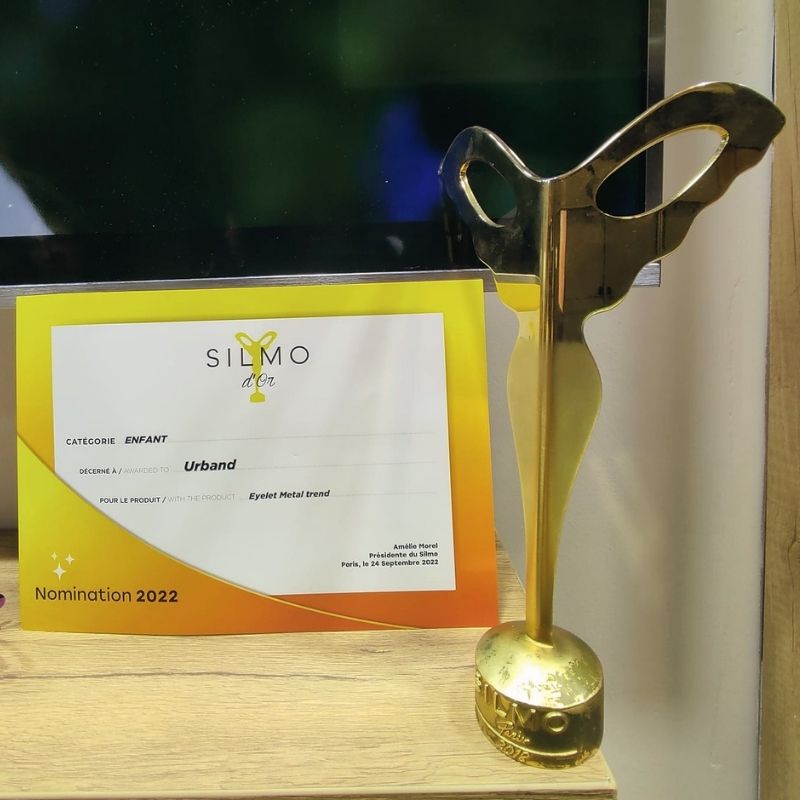
Honored by Red Dot, iF Design Award, SILMO d'Or, and the President's Design Award. Our French creative studio collaborates directly with Shenzhen toolmakers, translating avant-garde European silhouettes into industrially feasible, high-yield mass production matrices.
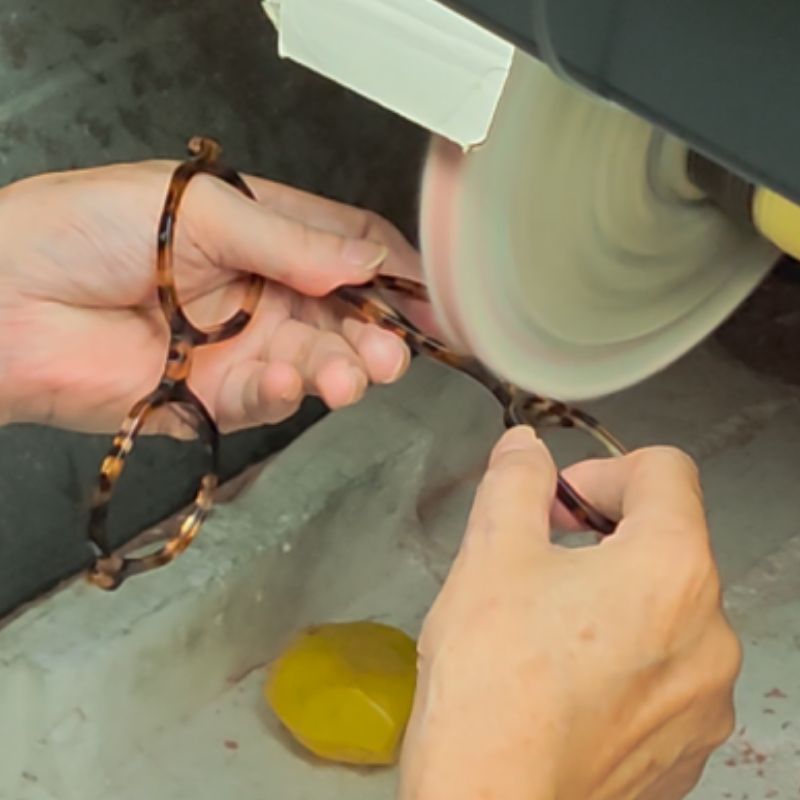
Our 5-axis CNC machining, micro-wire EDM, injection molding bays, and automated tumbling drums achieve tight geometric tolerances of ±0.03mm. Every batch undergoes mechanical stress cycling, nickel-release validation, and ISO 12870 standard frame certification.
The weakest link of any optical frame is the standard mechanical screw hinge, prone to loosening, cross-threading, and shear failure. Our R&D centers in Japan and France eliminated traditional screws through proprietary elasticity-driven mechanical connections.
Utilizing micro-folded surgical stainless steel and Japanese beta-titanium leaf springs, our screwless hinges assemble with positive snap-fit geometry. No micro-screws to back out, strip, or require thread-locking adhesives during customer use.
Engineered for high-impact lateral displacement. When external stress pushes the temple outward beyond 90 degrees, the active damping leaf absorbs up to 160 degrees of hyperextension, self-aligning back to nominal optical temple pantoscopic angle automatically.
Developed specifically for the EYELET children's collection. Temples are tethered to the optical front using high-tensile nylon filaments rather than metallic joints. Children can sit, pull, twist, or bend the frame without pinching soft tissue or snapping structural lugs.
Selecting the optimal substrate determines retail price positioning, lens mounting stability, weight distribution, and wearer satisfaction. Compare key performance metrics across our primary raw material stocks.
| Material Category | Specific Density (g/cm³) | Elastic Memory & Tensile Yield | Thermal & Chemical Resistance | Recommended Assortment Role | Compliance Standards |
|---|---|---|---|---|---|
| Mazzucchelli Cellulose Acetate | 1.28 – 1.32 | High ductility, hot-wire adjustable core, hand-sculptable | Safe up to 85°C; resistant to skin sebum & daily cosmetics | Luxury fashion optical, bold vintage profiles, artistic tortoiseshell | REACH / Prop 65 |
| Swiss EMS Grilamid TR90 | 1.01 – 1.04 | Extreme shape memory, 100% flexural recovery under 180° twist | Resistant to sweat, alcohol & UV radiation; stable to 110°C | Pediatric eyewear, sports wraps, tactical ballistic spectacles | ISO 12870 Pass |
| Polyetherimide (Ultem PEI) | 1.27 | Ultra-thin tensile strength (1.2mm profiles), shatterproof rigidity | Exceptional heat resistance to 170°C; flammability UL94 V-0 | Featherweight business frames, magnetic clip-on frames, unisex minimalist | FDA Medical Class |
| Japanese Beta-Titanium (Ti-15V-3Cr-3Sn-3Al) | 4.65 | Superior modulus of elasticity (100 GPa), superelastic spring back | Completely rustproof, zero oxidation, 100% hypoallergenic, nickel-free | Ultra-premium rimless & thin-wire optical frames, high-end executive | DIN EN 1811 (Nickel) |
| Medical Grade Stainless Steel (316L) | 7.95 | High structural rigidity, clean laser welding, micro-cut temple profiles | Excellent corrosion and saltwater resistance | Urban lifestyle frames, Windsor rim wire, structured modern geometric | CE Conformity |
Global optical retail is undergoing profound transformations driven by circular ESG directives, smart audio integration, precision additive manufacturing, and agile supply chain resilience. Here is how forward-thinking optical brands are curating their future collections.
Driven by strict European green procurement directives, legacy petro-chemical plasticizers (DEP) are being aggressively replaced by bio-based cellulose acetate (cotton and wood pulp with bio-plasticizers) and ocean-recycled nylon. Urband manufactures bio-acetate collections certified over 68% bio-renewable carbon content.
As consumer demand for micro-speaker audio eyewear and AR smartframes surges, optical frame structures require engineered hollow cavities, moisture-sealed conduits, and balanced weight distributions to house micro-circuitry without compromising classic ophthalmic front geometry and lens edging bevels.
Traditional rigid MOQs of 1,200 pieces per colorway are yielding to agile flexible cell manufacturing. Brands test market resonance using rapid-iteration runs of 300 pieces per SKU across diverse pantone shades, relying on automated 5-axis CNC routers to eradicate costly bespoke steel injection tooling lead times.
Mass production is blending with ergonomic customization. We provide CAD parametric scaling for nose bridge widths (narrow Asian fit vs. broader Caucasian bridges), pantoscopic tilt (8° to 12°), and temple curvature lengths, giving optical distributors tailored regional fits that dramatically reduce store-level dispensary refitting labor.
In the optical sector, a variance of 0.2mm in the eyewire groove can cause ophthalmic lenses to rotate, inducing unwanted cylinder astigmatism for patients. Every Urband manufacturing batch adheres to stringent medical-grade quality control.
Utilizing high-precision optical comparators and 3D coordinate scanning systems to measure lens bevel groove depth, V-bevel angle (typically 110° to 120°), and optical symmetry across left and right rim openings. Assures seamless automated lens edging at dispensary finishing labs worldwide.
Pneumatic robotic arms flex frame temples back and forth 25,000 to 30,000 times at 40 cycles per minute under controlled temperature environments. We measure frictional resistance loss, hinge gap deviation, and material micro-crazing to eliminate premature frame failure in the field.
Frames undergo artificial perspiration immersion testing (pH 4.7 at 40°C for 24 hours), continuous neutral salt spray fog testing (ASTM B117 for 48 hours), and accelerated QUV xenon weathering to guarantee surface coatings, electroplating, and acetate luster withstand harsh climates.
Essential guidance addressing technical specifications, MOQ requirements, private label branding, international regulatory compliance, and sample turnaround times.
For custom ODM/OEM optical frames utilizing existing in-house chassis or CNC-machined cellulose acetate, our baseline MOQ starts at 300 pairs per model, split across up to 3 pantone colorways (100 pairs per color). For completely bespoke bespoke tooling involving proprietary injection molds (such as custom Ultem PEI or TR90 shapes), initial tooling costs apply with standard run minimums of 600 to 1,200 pairs. We also maintain a ready-to-ship stock program for catalog designs with flexible minimums as low as 50 to 100 pairs for immediate regional test marketing.
Every shipment is supported by comprehensive technical dossiers and independent third-party laboratory test reports (SGS, Intertek, or TÜV Rheinland). Our optical frames comply fully with ISO 12870 (Ophthalmic optics – Spectacle frames), CE Medical Device Regulation (EU MDR 2017/745 Class I), REACH Annex XVII (Nickel release below 0.5 µg/cm²/week under EN 1811, lead, cadmium, and SVHC phthalates screening), US FDA 21 CFR 801.410 impact resistance, and AS/NZS 1067.1 standards for sunglass and fashion eyewear.
Yes. Private labeling and mechanical customization are at the core of our ODM partnership model. We provide laser engraving, diamond-cut hot stamping, metal inlay temple logo plates, pad printing inside temples, and bespoke packaging solutions (cases, microfiber cloths, presentation boxes). Furthermore, our mechanical engineering team can co-develop and patent proprietary hinge mechanisms or temple textures tailored exclusively to your brand's trademark portfolio.
Initial 2D aesthetic sketches and 3D CAD modeling are completed within 5 to 7 business days. SLA/SLS 3D-printed physical fitting mockups are dispatched within 10 days for sizing validation. Functional working prototypes machined from true acetate or wire-EDM titanium require 20 to 25 days. Once pre-production gold samples receive written authorization, standard mass production cycles average 45 to 60 days for metal and injected frames, and 65 to 75 days for multi-layer hand-polished cellulose acetate.
Recognizing that facial morphological anatomy varies significantly across North American, European, East Asian, and Middle Eastern demographics, we offer dual-bridge toolings. We tailor splay and frontal angles of nose pads, modify fixed acetate keyhole bridges with integrated raised silicone bladders, and calculate temple pantoscopic tilt from 7° to 12° to guarantee proper focal vertex distance, optical center alignment, and zero lash contact.
Partner directly with China's foremost optical frame ODM engineering hub. Connect with our technical ophthalmic design team in Singapore, France, or Shenzhen to receive detailed CAD proposals, certified compliance documentation, and rapid prototype turnarounds.
