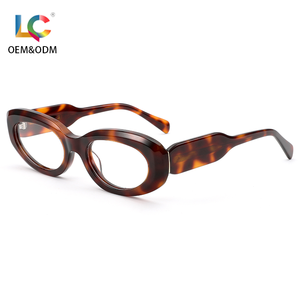
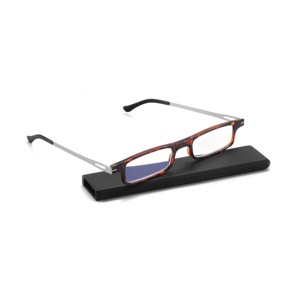
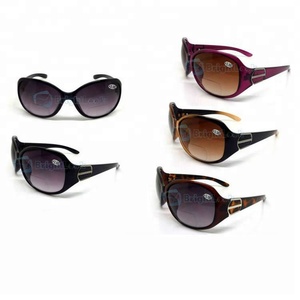
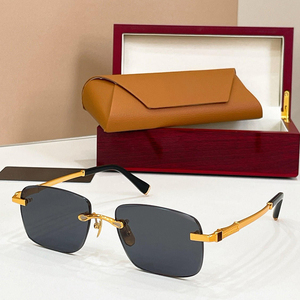
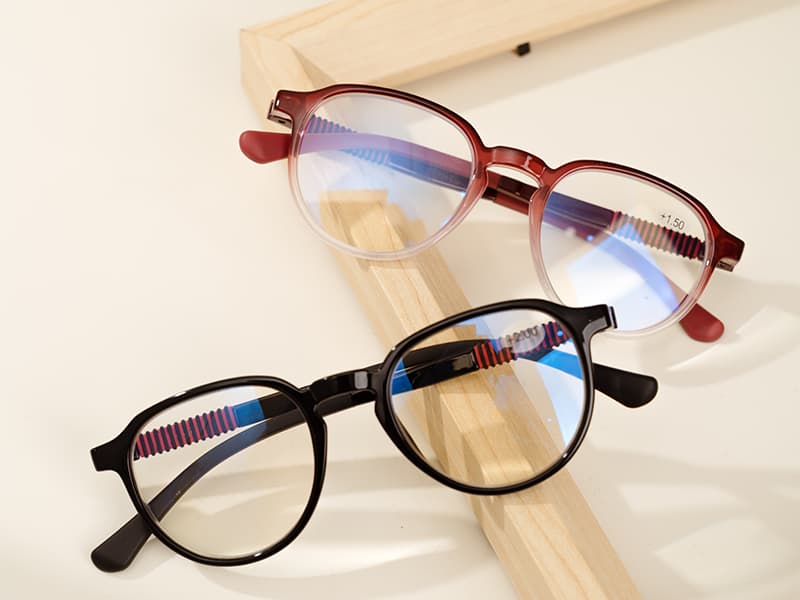
Explore our flagship OEM/ODM presbyopic eyewear collections. Featuring aerospace foldable alloys, CNC-machined biological acetate, blue-light attenuating monomer lenses, and screwless flex hinges manufactured under rigorous medical-device standards.
Combining over six decades of ophthalmic bench-craft with modern CNC multi-axis tooling, European design flair, and documented international testing regimes.
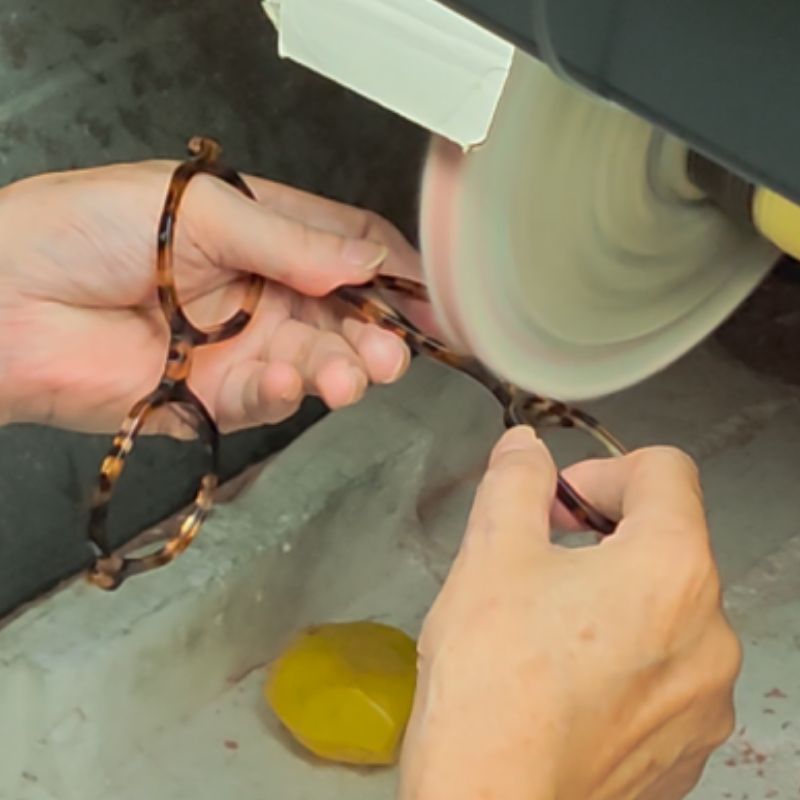
Our foundation in the optical profession began in Singapore workshops in the 1950s, culminating in the co-founding of Nanyang Optical in 1960. Unlike brokers or generic injection molding factories, our executive and engineering teams originated as precision lens-grinders and ophthalmic frame artisans.
Every reading glass model developed within our COUPLE and specialized reading lines is informed by clinical understanding of presbyopia, pupil center offset tolerances, pantoscopic tilt dynamics, and bridge weight distribution on mature facial anatomy.
The single greatest cause of consumer returns and retail warranty claims in presbyopic reading glasses is hinge pin backing-out and temple thread fatigue. Urband’s engineering division has resolved this structural failure point through patented mechanical architectures.
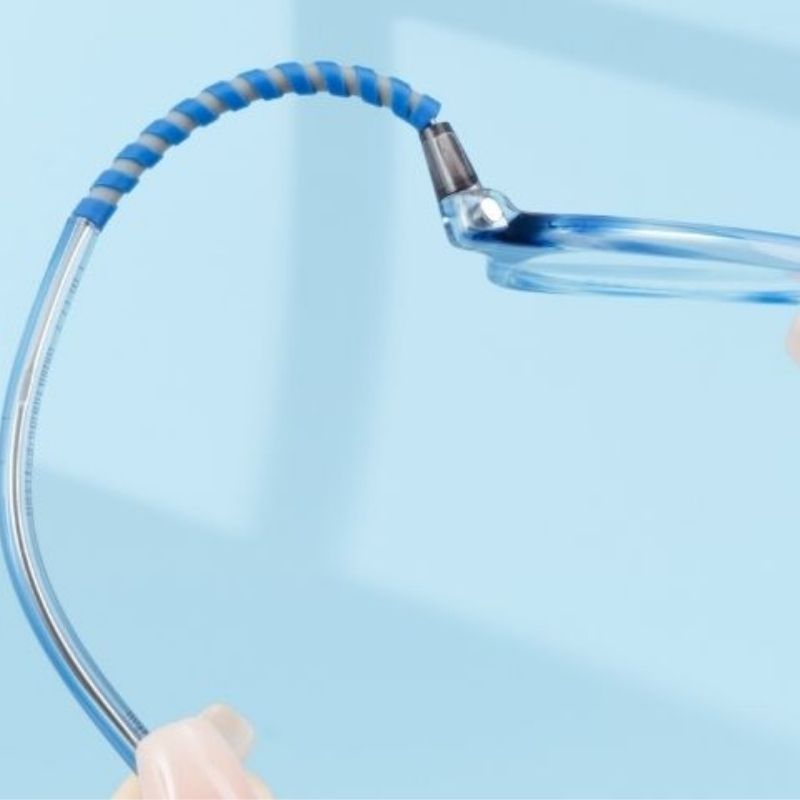
Our Screwless Hinge completely eliminates screws through an interlocking mechanical bayonet connection that cannot vibrate loose over time. Simultaneously, our Active Hinge utilizes calibrated internal springs and elastic retention geometries to allow outward temple expansion exceeding 15 degrees, returning dynamically to baseline alignment without stressing the bridge weld or acetate lug.
Simplify procurement logistics. Consolidate your shipments across reading glasses (COUPLE), high-fashion acetate (GLOSSI), flexible children's frames (EYELET), and performance sports eyewear (URBAND PARIS) under one consolidated commercial invoice.
We provide authentic batch-tested test reports rather than blanket certificates. Full documentation ready for customs clearance: ISO 16034 (Ready-to-wear reading spectacles), CE MDR (EU) 2017/745, FDA registration with Device Listing, and REACH chemical compliance.
In-house 3D CAD modeling and high-speed CNC sample milling within 5 business days. Dedicated tooling engineers optimize mold draft angles, acetate lamination thicknesses, and proprietary temple engravings with tight tolerances of ±0.05mm.
The reading glasses category has transitioned from cheap pharmacy impulse buys into an essential lifestyle accessory driven by digital screens, hybrid work, and longevity economics. Here is how modern materials and optics are evolving.
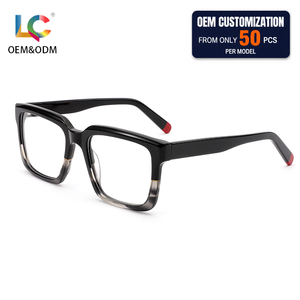
Accelerating away from petroleum plastic, premium custom reading glasses rely on bio-acetate derived from sustainably managed wood pulp and cotton fibers. Formulations utilize eco-plasticizers (diethyl phthalate-free), offering biodegradability within 115 days in industrial compost conditions while maintaining deep coloration, hand-polished luster, and structural stability.
Surface blue-light coatings are increasingly replaced by internal resin substrate integration. By dissolving blue-attenuating absorbers directly into optical-grade PMMA, polycarbonate, or MR-8 monomers before casting, the lenses selectively block harmful 415–455nm high-energy visible light without reflective purple glare or unappealing yellow tinting.
Standard single-vision +1.00 to +3.50 diopter reading glasses blur computer monitors set at arm’s length. Next-generation ODM reading glasses incorporate free-form "office" or "degressive" progressive zones: offering full near power at the bottom reading corridor and a smooth -0.75D to -1.00D power drop at the top zone for seamless screen viewing without neck strain.
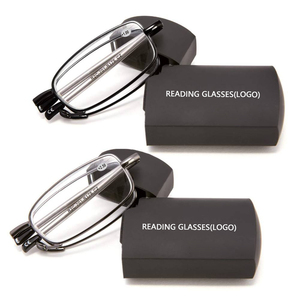
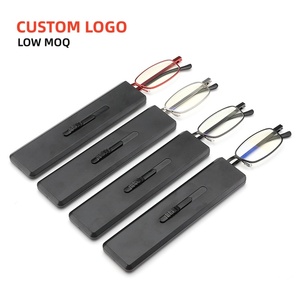
Presbyopic consumers demand reading glasses that travel anywhere without bulky cases. Emerging designs feature bridge-hinged 360-degree rotational folding temples, flat-pack folding titanium structures, and 8mm push-pull magnetic aluminum cases designed to slip easily into breast pockets, smartphone wallets, or evening clutches.
Compare core material options across physical density, flexural fatigue, optical assembly properties, and target commercial price points.
| Material Classification | Density (g/cm³) | Flexural Yield & Fatigue | Glazing & Lens Fitting | Hypoallergenic Grade | Typical Commercial Role |
|---|---|---|---|---|---|
| Mazzucchelli-Type Bio-Acetate | 1.28 – 1.32 | Moderate; heated bench adjustment required | Cold/warm snap insertion with high rim retention | Certified Bio-Grade | Boutique retail, premium designer private labels |
| TR90 (Grilamid Swiss EMS) | 1.01 – 1.05 | Extreme flex memory; virtually unbreakable | Cold snap fit with precise bevel matching | Medical ISO 10993 | Active readers, flexible children's, daily pocket wear |
| Beta-Titanium Alloy | 4.50 – 4.70 | High spring deflection; zero permanent warping | Rimlock screw closure or rimless nylon thread | 100% Nickel-Free | Ultra-lightweight luxury, executive minimalist series |
| Optical Monomer Polycarbonate (PC) | 1.20 – 1.22 | High impact resistance; rigid feel | Direct mechanical snap insertion | Standard skin safe | Volume retail, e-commerce bundles, promotional programs |
| Stainless Steel (SUS304/316L) | 7.85 – 8.00 | Rigid structural stability in ultra-slim gauges | Precision mini-rimlocks with nylon liner | Nickel-Safe Passivated | Vintage folding readers, slim retro frames |
Global optical retail, direct-to-consumer (D2C) brands, and pharmaceutical distributors face changing regulatory environments and shifting customer expectations. Align your supply chain with these key procurement developments.
Traditional procurement ordered equal batches across diopters, resulting in unsold inventory for +1.00D or +3.50D and chronic stock-outs for +1.50D, +2.00D, and +2.50D. Advanced B2B buyers now implement dynamic bell-curve ratio allocations (e.g., 10% +1.00D, 25% +1.50D, 35% +2.00D, 20% +2.50D, 10% +3.00D/3.50D) backed by historical checkout analytics.
Western European and North American retail buyers enforce strict Corporate Social Responsibility (CSR) parameters. Leading OEM contracts now mandate 100% biodegradable cornstarch (PLA) protective sleeves, FSC-certified unbleached kraft master boxes, and folded micro-fiber pouches made from recycled PET bottles (rPET), eliminating single-use PVC.
Under EU Medical Device Regulation (MDR 2017/745), ready-to-wear reading spectacles are classified as Class I Medical Devices. Importers face border customs audits demanding traceable technical documentation files, Unique Device Identification (UDI) barcoding, and audited Declaration of Conformity (DoC) certificates directly linked to verified batch test reports.

Rather than stocking complete pre-assembled reading glasses, brand distributors increasingly leverage our modular assembly program: stocking standardized front chasses and hot-swapping pre-cut diopter lens cartridges and interchangeable temple arms to react rapidly to retail order spikes.
Savvy procurement officers look beyond the ex-factory unit price. Low-grade suppliers yield 8–12% retail return rates due to lens distortion, coating peel, and broken hinges. By partnering with audited precision manufacturers, return rates plummet under 0.3%, protecting gross margins.
We support large optical enterprises with API-integrated fulfillment from our Shenzhen duty-free bonded facilities. Direct-to-retailer carton consolidation, custom GS1-128 shipping labels, and serialized barcode scanning eliminate secondary handling in domestic destination warehouses.
Comprehensive technical and commercial answers addressing common supplier vetting, laboratory standards, custom mold costs, and international quality management.
Whether you require custom CAD development, Mazzucchelli acetate sourcing, European compliance documentation, or rapid private label production, our Singapore, France, and Shenzhen optical directors are ready to review your project brief.