Examine our precision-machined eyewear models engineered for boutique optical retailers, pediatric practices, and private label distributors seeking authenticated CE EN ISO 12870:2018 compliance.
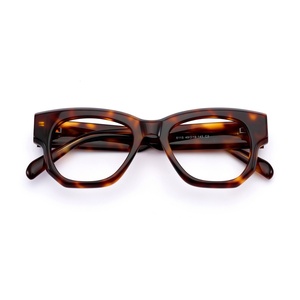
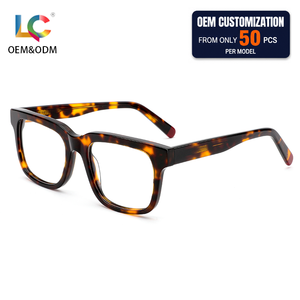
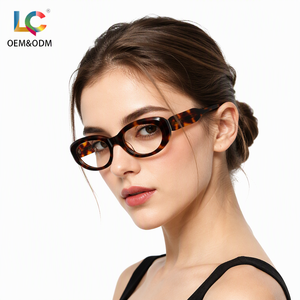
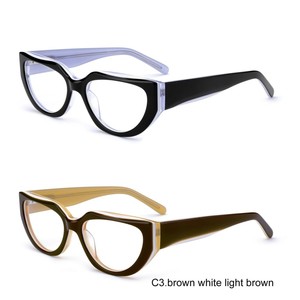
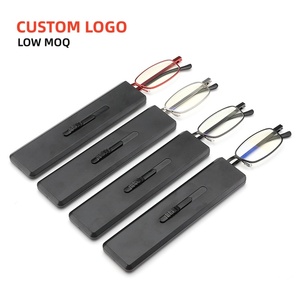
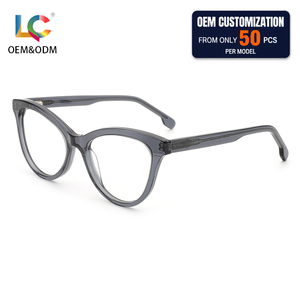
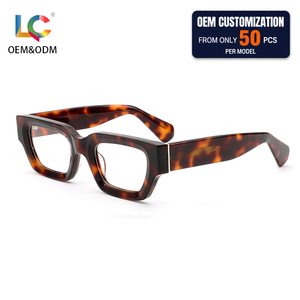
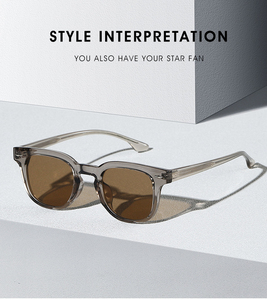
Urband International bridges 60+ years of ophthalmic prescription optics with progressive industrial engineering. When sourcing CE certified wooden eyeglass frames, optical buyers require more than artisanal aesthetics—they demand structural reliability, repeatable lens-groove stability, and stringent regulatory traceability.
Our founder and chairman, Yang Wah Kiang, initiated his career at an optical workshop bench in Singapore during the 1950s, mastering manual lens edging, frame balance, and ocular ergonomics before co-founding Nanyang Optical in 1960. This physical understanding of prescription optics governs our production philosophy today.
Unlike decorative accessory assemblers, Urband treats wood as a high-performance bio-composite. By pairing an active European design office in France with advanced CNC manufacturing and precision assembly facilities in Shenzhen, we eliminate the structural vulnerabilities traditionally associated with wooden eyewear—such as moisture warp, brittle temple fractures, and lens mounting deformation.
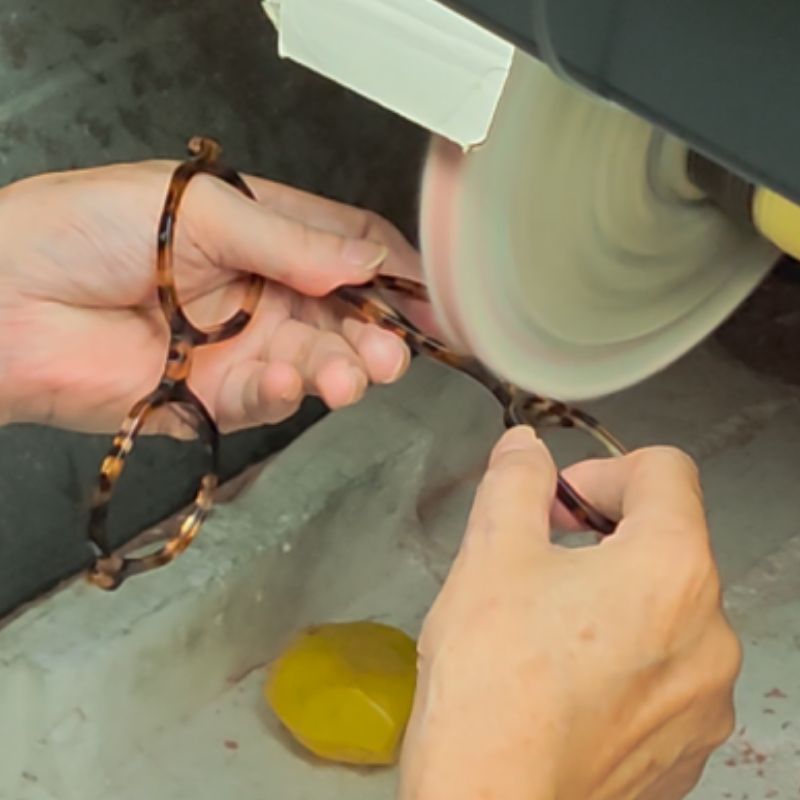
Solid wood frames frequently crack along natural grain lines under mechanical tension. Our factory engineers vacuum-laminate ultra-thin wood veneers (walnut, ebony, zebrawood) interleaved with 0.3mm Japanese Toray carbon fiber sheets or aviation-grade Grade 5 titanium cores. This delivers 300% greater tensile resistance while retaining an organic wood exterior.
Traditional mechanical wood screws strip out when adjusted repeatedly. We utilize proprietary screwless compression joints and active spring mechanisms inspired by our recognized eyewear technology. These distribute mechanical temple flexure smoothly into the structural inner core, preventing wood localized splitting during daily wear.
Optical frames exported to the EU require strict adherence to EU Regulation 2017/745 (MDR) Class I standards. Our collections undergo accredited third-party batch testing for EN ISO 12870 (dimensional tolerance, endurance to perspiration, bridge deformation resistance) and REACH Annex XVII for zero hazardous chemical migration or nickel release.
The transition from fragile hobbyist handcrafts to industrial-grade medical optical devices has fundamentally reshaped wooden frame engineering over the past five years.
Raw wood expands and contracts with atmospheric humidity changes, which can displace prescription lenses or cause bridge warping. Our factories employ vacuum-assisted impregnation with plant-based botanical micro-resins and medical-grade carnauba waxes. This seals internal cellulose pores without creating an artificial synthetic gloss, preserving the warm, tactile touch of raw wood while providing complete sweat and weather resistance.
A critical hurdle for opticians dispensing wooden eyeglasses has always been cold-glazing difficulties. By deploying 5-axis German CNC milling spindles, our eyewires are cut with an exact 0.55mm V-groove angle and microscopic tolerances (+/- 0.04mm). This allows lens dispensers in Europe and North America to fit high-index prescription lenses without splintering the rim.
Optometrists require thermal malleability to adjust temple drop angles behind the patient's ear. Solid wood cannot be heated and bent without structural failure. We developed seamlessly bonded hybrid temples featuring multi-ply wood along the front and mid-temple, unified with Mazzucchelli acetate temple tips housing flexible stainless steel wire cores for effortless cold/warm dispensing adjustments.
| Quality & Safety Standard | Governing Directive / Standard | Technical Test Protocol | Urband Engineering Benchmark | Compliance Status |
|---|---|---|---|---|
| Ophthalmic Prescription Frames | EN ISO 12870:2018 / EU MDR 2017/745 | 500-cycle bridge fatigue & dimensional stability at 60°C | Reinforced carbon cross-grain interlayer resists >45N load | CE Class I Medical |
| Sunglasses Lens & Frame Integrity | EN ISO 12312-1:2022 / PPE (EU) 2016/425 | UV400 spectral transmittance & mechanical high-mass drop impact | Decentered TAC & CR-39 UV400 lenses with anti-scratch coating | Accredited Laboratory Pass |
| Skin Contact & Biocompatibility | REACH Reg. (EC) No 1907/2006 Annex XVII | EN 16128 Nickel release screening & EN 717-1 Formaldehyde assay | Zero nickel hardware; zero VOC bio-wax botanical sealant | Non-Cytotoxic / REACH Pass |
| Sustainable Wood Chain of Custody | EU Timber Regulation (EUTR) / FSC-STD-40-004 | Botanical species DNA verification & traceable logging documentation | 100% Certified Walnut, Maple, Bamboo, and FSC Zebrawood | Legally Sourced & Certified |
How international optical retail chains, boutique fashion buyers, and e-commerce aggregators are optimizing their wooden frame supply chain strategies.
Optical buyers are moving away from 100% mono-material solid wood frames due to dispensing limitations. Procurement contracts have pivoted heavily toward hybrid assemblies combining natural wood front rims with hypoallergenic titanium bridges and bio-acetate earpieces.
With new European circular economy mandates, wholesale importers increasingly require verified carbon footprint data and wood origin certificates down to the forest concession. Factories without traceable FSC chain-of-custody documentation will face severe customs barriers.
Traditional minimum order quantities of 1,200 pieces per colorway are being replaced by high-mix, low-volume orders (150–300 pcs). Precision 5-axis CNC programming enables Urband to switch wood veneers and frame geometries rapidly without expensive mold retooling costs.
Modern consumers demand all-day wearability under 22 grams. By combining featherweight bamboo and porous balsa inner layers wrapped in dense walnut exteriors, next-generation frames achieve substantial cosmetic thickness while cutting nose-bridge pressure by half.
Everything procurement managers, private label owners, and optical retail directors need to know about testing standards, manufacturing tolerances, and international export procedures.
Elevate your retail or private label collection with award-winning design heritage, engineered multi-material durability, and authenticated CE compliance. Contact our optical engineering team today to review technical dossiers, request sample units, or schedule a virtual factory inspection.
