0%

Choosing the top active hinge eyeglasses requires more than comparing brand names or attractive colors. Buyers should examine hinge movement, frame balance, lens compatibility, and long-term comfort. A flexible temple can reduce pressure when glasses are removed repeatedly, especially during commuting, office work, or outdoor activity.

Optometrist and eyewear consultant Dr. Justin Bazan offers a useful reminder: “The best frame is the one you forget you are wearing.” That idea fits active hinge eyeglasses well. The hinges should open smoothly without feeling loose. The temples should return naturally, not snap against the face. Small details matter, including soft nose pads, accurate bridge width, strong barrel construction, and corrosion-resistant hardware. Try them on for several minutes. Comfort can change after the first hour.

No single frame wins for every buyer. Some wearers prefer a firm hinge, while others need extra flexibility for frequent handling. Prescription thickness, face shape, and fitting accuracy also influence performance. Product testing, warranty coverage, and repair support deserve equal attention. A low-priced frame may become expensive if its hinge fails quickly. That is not always obvious online.

This guide compares leading options through practical buyer criteria, including durability, comfort, design, maintenance, and value. We will consider real wearing conditions, not just showroom appearance. The ranking may still feel imperfect, because personal fit remains difficult to measure from a product page. That limitation deserves honesty. A frame that feels secure on one face may pinch another. Careful fitting remains essential.
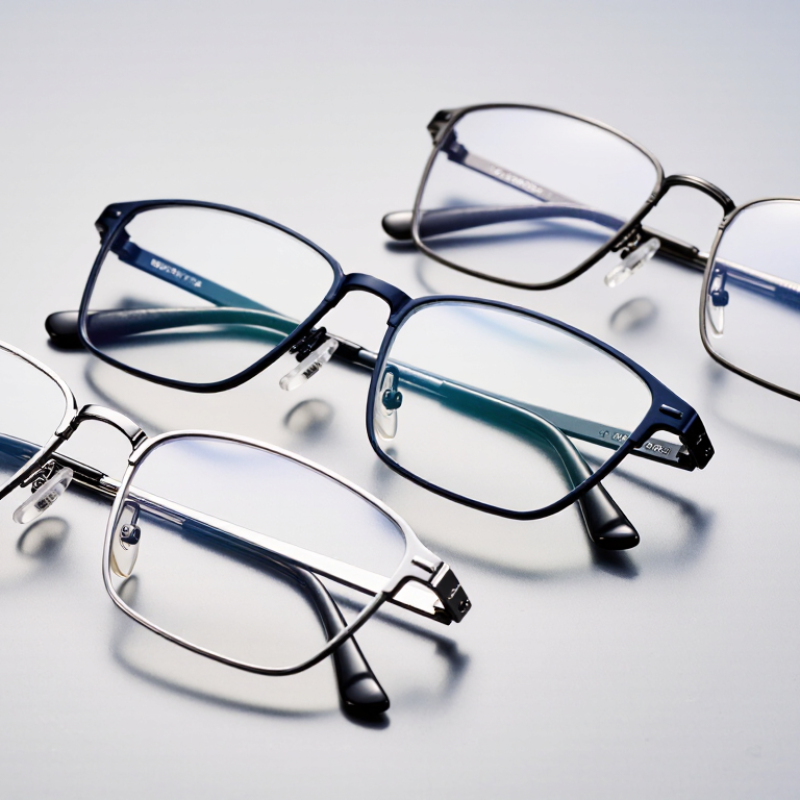
What Are the Top Active Hinge Eyeglasses for Buyers?

What Are Active Hinge Eyeglasses and How Do They Work?

For buyers comparing top active hinge eyeglasses, understanding the hinge matters more than choosing a fashionable frame. An active hinge uses a small spring mechanism inside each temple joint. It allows the arms to open slightly beyond their normal position. This flex reduces pressure when you put on or remove the glasses. It can also help the frame recover after mild bending.

In practical use, active hinges feel smoother than rigid hinges. The temples may sit more comfortably behind your ears, especially during long reading sessions or daily commuting. However, the hinge is not unbreakable. Excessive force, repeated twisting, or careless storage can still damage its spring. I have found that comfort depends on more than the hinge. Frame width, temple length, nose support, and lens weight also affect the final fit. A flexible hinge cannot fix a poorly sized frame.

Tips: Open the temples gently and avoid forcing them past their natural range. Store the glasses in a firm case, not under books or inside a loose pocket. Check the screws and hinge movement every few weeks. If one side feels tighter, visit a qualified optical professional rather than adjusting it with household tools. A simple fitting check often prevents bigger repairs. Do not assume every active hinge feels the same. Some are firm, while others feel noticeably loose. Try the frame on, move your head, and notice pressure around your ears. Small differences matter.

Which Features Define High-Quality Active Hinge Eyeglasses?

What Are the Top Active Hinge Eyeglasses for Buyers?

High-quality active hinge eyeglasses should feel flexible without becoming loose. Their spring-loaded hinges absorb pressure when the temples open wider than usual. This can reduce stress around the frame and improve everyday comfort. However, flexibility alone does not prove quality. A well-made frame should return smoothly to its original shape without clicking, grinding, or feeling weak.

Look closely at the hinge connection. Durable metal components, clean alignment, and secure screws usually indicate better construction. The temples should rest evenly behind your ears, while the bridge should remain stable when you move your head. Lightweight acetate or resilient synthetic materials can improve comfort, especially during long workdays. I once assumed a stiff hinge meant stronger eyewear. That was not always true. Excessive stiffness may create pressure and often needs professional adjustment.

Tips: Open and close each temple several times before buying. Watch for uneven resistance or small gaps. Check whether replacement nose pads and hinge repairs are available. A clear warranty can also show that the seller stands behind the construction. Do not overtighten hinge screws at home. A qualified optician can adjust the fit without damaging delicate parts. Even excellent frames need care. Wiping away dust before folding them may prevent small particles from wearing down the hinge.

How Do Top Active Hinge Eyeglasses Compare by Frame Material?

Active hinge eyeglasses work best when frame material matches daily use. Acetate frames feel warm and substantial on the face. Their thicker rims can support sturdy hinge mounts. They also offer rich colors and a smoother hand feel. However, acetate may feel heavy during long workdays. A flexible hinge cannot remove that weight.

Nylon-based frames, including lightweight performance plastics, suit active buyers. They usually feel lighter during cycling, commuting, or travel. Their slight flexibility can reduce pressure when the temples bend. Yet, some nylon frames feel less refined in hand. They may also show surface wear sooner than dense acetate. Fit still matters more than material labels. A trained optical professional should check alignment and hinge tension.

Metal frames provide a different balance. Stainless steel offers strength and a slim profile, while titanium reduces weight and resists corrosion. These materials work well with compact spring hinges. They can feel secure behind the ears without bulky temples. Still, thin metal parts may require careful adjustment. I have found that over-flexing any hinge can loosen its screws. That detail is easy to overlook. Buyers should inspect hinge movement, nose-pad stability, and temple recovery before choosing a frame. Regular cleaning and timely adjustments help preserve reliable movement.

What Should Buyers Consider Before Choosing a Pair?

Active-hinge eyeglasses can improve comfort, but buyers should inspect more than flexibility. A spring hinge allows the temple arms to open slightly beyond their normal position. This reduces pressure near the ears. However, loose hinges may create uneven alignment over time.

The Vision Council’s consumer research indicates that roughly three-quarters of American adults use some form of vision correction. That makes fit and daily durability important purchasing factors. Buyers should check whether the frame sits evenly across the nose. The temples should touch gently, not squeeze. Try opening each arm several times. Movement should feel smooth, controlled, and quiet.

Material choice matters too. Stainless steel often offers practical strength, while flexible alloys can reduce breakage during accidental bending. Lightweight polymers may feel comfortable, but their hinge connections deserve closer inspection. Ask about hinge testing, replacement parts, and warranty coverage. Professional optical standards, including ANSI Z80.1, also emphasize dimensional accuracy and optical performance. These standards do not guarantee perfect comfort.

Prescription thickness should influence frame size. Stronger prescriptions may need smaller, well-centered lenses. A frame that looks attractive online can feel unstable after ten minutes. That happened to me during a fitting review. The hinge felt excellent, yet the bridge slipped repeatedly. Price is another imperfect signal. A higher cost may reflect better construction, but it does not prove longer service. Check the screws, hinge tension, nose support, and return policy before choosing.

What Should Buyers Consider Before Choosing Active Hinge Eyeglasses?

Suggested buyer-priority score based on practical eyewear selection factors

Fit and comfort should receive the greatest attention because they affect daily wear. Buyers should also check hinge flexibility and construction, lens protection, overall frame weight, and whether the frame can be adjusted securely without feeling loose.

How Can Buyers Maintain Active Hinge Eyeglasses for Long-Term Use?

Active hinge eyeglasses need gentle care because their flexible joints move more than standard frames. In daily use, open and close the temples with both hands. This reduces uneven pressure on the hinges and keeps the frame aligned. Never force a stiff hinge. A tiny drop of suitable hinge lubricant may help, but ask an optical professional before applying anything.

Rinse the lenses with lukewarm water before wiping them. Dust can scratch coatings when rubbed across a dry surface. Use a clean microfiber cloth, not a shirt sleeve or paper towel. Keep them dry. After wearing the glasses near the sea or during exercise, remove salt and sweat promptly. These residues can collect around hinge joints and nose pads.

Store the glasses in a hard case when they are not being worn. Avoid leaving them on a dashboard, where heat can weaken frame materials and lens coatings. Check the hinge screws every few weeks for looseness, but do not overtighten them. A professional adjustment is safer than forcing a screwdriver into a small fitting. I once ignored a slightly crooked temple, and repeated pressure made the misalignment worse. That was avoidable. Small habits matter. Have the frame inspected when opening feels rough, the temples sit unevenly, or the hinges make unusual sounds. Regular servicing can protect comfort and extend practical use.

FAQS

Which frame material feels best for active hinge eyeglasses?

Acetate feels warm and sturdy, but it may feel heavy during long workdays. Nylon-based frames feel lighter for cycling, commuting, and travel. Metal offers a slim, secure balance.

Are nylon-based frames suitable for daily movement?

Usually, yes. Their slight flexibility can reduce pressure when the temple arms bend. Some surfaces may wear sooner. They can feel less refined.

What are the main benefits of acetate frames?

Acetate provides thicker rims, rich colors, and a smooth hand feel. It can support sturdy hinge mounts. Weight remains a possible drawback.

How do metal frames compare with plastic frames?

Stainless steel provides strength with a slim profile. Titanium reduces weight and resists corrosion. Thin metal parts need careful adjustment. They are not indestructible.

How should buyers test an active hinge?

Open each temple arm several times. Movement should feel smooth, controlled, and quiet. Check whether the hinge returns evenly. Avoid forcing it.

Can a flexible hinge fix poor frame fit?

No. Fit matters more than the material label. The frame should sit evenly across the nose. The temples should touch gently, not squeeze.

What should people with stronger prescriptions consider?

Choose a smaller frame with well-centered lenses. Thick lenses can make a large frame unstable. An attractive online frame may slip after ten minutes.

What details should buyers inspect before purchasing?

Check hinge tension, screws, nose-pad stability, temple recovery, and alignment. Ask about replacement parts and return coverage. Price alone proves little.

How can users maintain reliable hinge movement?

Clean the frame regularly and arrange timely adjustments. Avoid excessive bending. Over-flexing may loosen hinge screws. I once overlooked this detail.

Conclusion

Active hinge eyeglasses are designed with flexible hinge mechanisms that allow the temples to move slightly beyond a standard opening range, helping reduce pressure when the frames are put on, removed, or accidentally bent. High-quality active hinge eyeglasses should combine smooth hinge movement, durable construction, comfortable nose support, secure temple arms, and reliable lens alignment. The best choice depends on how well these features support everyday comfort and long-term performance.

Frame material also plays an important role. Lightweight polymers can provide flexibility and comfort, while metal frames may offer a slimmer appearance and firm structure. Buyers should consider fit, face shape, frame weight, lens requirements, durability, and personal activity levels before choosing a pair. To extend their service life, users should clean the lenses with suitable materials, avoid forcing the hinges, store the glasses in a protective case, and have loose or misaligned parts adjusted promptly.


Julian

Julian

Julian is a professional marketing specialist and a trusted voice behind the company’s insightful blog content. With a strong understanding of market trends, customer needs, and digital communication, he regularly produces clear, practical, and engaging articles that help readers make informed......