Choosing the best blue light glasses in 2026 starts with a practical question: what problem are you trying to solve? A systematic Cochrane review published in 2023 examined 17 randomized trials involving 619 participants across six countries. It found that blue-light-filtering lenses may not meaningfully reduce short-term computer-related eye strain. Evidence about sleep benefits remained uncertain. That distinction matters.
The American Academy of Ophthalmology has also cautioned against treating screen light as proven eye damage. Its clinical spokesperson, ophthalmologist Dr. Rahul Khurana, said: “There is no scientific evidence that the light coming from computer screens is damaging to the eyes.” This is not a claim that every pair of glasses is useless. It is a reminder to separate comfort and personal preference from medical promises.
This guide compares blue light glasses by lens clarity, frame fit, glare control, comfort during long screen sessions, and return policies. Imagine reading small text on a laptop at dusk: distorted color, slipping frames, or harsh reflections can matter more than a dramatic marketing claim. Some wearers may prefer a warmer tint; others may dislike how it changes colors. No magic lens. The best choice is the pair that feels comfortable, suits your screen habits, and makes claims you can verify. We’ll also flag where evidence is limited, because the honest answer is sometimes less tidy than a product page.
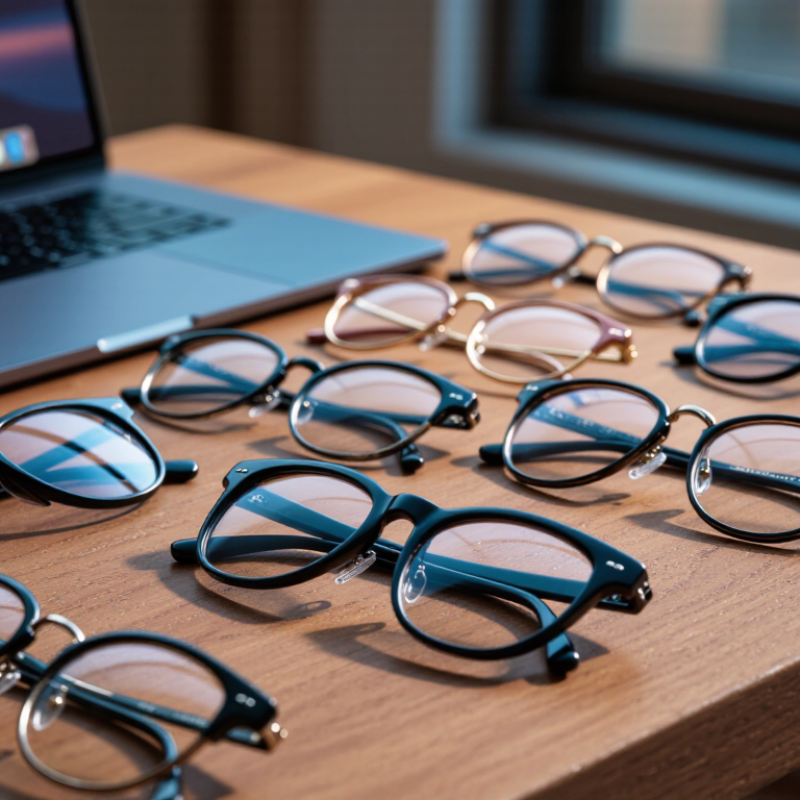
Blue light glasses use tinted lenses or coatings designed to filter some short-wavelength visible light. Blue light comes from screens, but daylight is also a major source. These glasses change how much light reaches your eyes; they do not block every blue wavelength. The marketing language can sound more certain than the evidence. That matters.
People often try these lenses for tired eyes, headaches, or trouble sleeping. But screen discomfort can also follow long periods of close focus, glare, or fewer blinks. A 2023 Cochrane review assessed 17 randomized trials involving 619 adults. It found that blue-light filtering lenses may not reduce short-term eye strain compared with regular lenses. Evidence about sleep effects remained uncertain. These findings do not mean everyone will feel the same, but they do suggest that the glasses are not a guaranteed fix.
What Are the Best Blue Light Glasses to Buy in 2026?
How Blue Light Glasses Are Evaluated in 2026
A useful evaluation starts with evidence, not lens color or marketing claims. The 2023 Cochrane review examined 17 randomized trials involving 619 adults. It found that blue-light-filtering lenses may not reduce short-term computer-related eye strain compared with regular lenses. The review also found limited evidence about sleep benefits. That matters: a yellow tint can look convincing, but appearance alone cannot prove performance.
For product testing, measure how much light lenses transmit across specific wavelengths, using an independent laboratory and clearly reported methods. Check optical clarity, color distortion, glare, fit, and coating durability after routine cleaning. A spreadsheet of results helps compare lenses under the same lighting and screen conditions. Small details matter. Also assess whether advertised filtering levels match measured results; vague percentages are hard to verify. Comfort is personal, and a short test cannot predict months of wear. I would record screen time, room lighting, and symptoms, while treating self-reports cautiously. The evidence is still incomplete, so a careful review should distinguish tested performance from assumptions about eye health.
A practical evaluation framework for comparing blue light glasses, using criteria that can be measured or assessed consistently.
Suggested evaluation weights, not test results or a ranking of specific products. Spectral testing can measure how lenses transmit visible light across wavelengths; UV protection, visual clarity, fit, comfort, durability, and price can also be assessed. Blue light glasses should not be assumed to prevent or treat eye conditions.
Which type suits you depends less on a “blue-light” label and more on your daily routine. For long daytime screen sessions, clear lenses with a comfortable fit may reduce reflections, but they do not replace screen breaks or an updated prescription. If glare is the main annoyance, ask an optometrist whether prescription lenses with an anti-reflective coating suit your eyes. Small details matter: a frame that slips while you type can be more distracting than the lens tint.
For evening use, amber or orange lenses filter more blue light than clear lenses. Some people prefer them before bed, though the benefit is not guaranteed. A 2023 Cochrane review examined 17 randomized trials involving 619 adults. It found that blue-light-filtering lenses may not meaningfully reduce short-term eye strain, while sleep effects remain uncertain. That is worth remembering. A darker tint can also distort screen colors, which may be inconvenient for photo editing or design work.
The American Academy of Ophthalmology says current evidence does not show that screen light damages eyes, and it does not recommend special eyewear for screen use. Choose lenses for a specific, practical need—not as proven eye protection. Blue-light glasses also do not replace UV-blocking sunglasses outdoors. And honestly, the best fit may be no blue-light filter at all: try adjusting brightness, reducing glare, and taking regular distance breaks before spending more.
| Type | Best suited for | Typical filtering and appearance | Potential advantages | Limitations and buying checks |
|---|---|---|---|---|
| Clear, lightly tinted lenses | People who want a nearly neutral look for daytime screen use or everyday wear. | Usually subtle filtering; the amount varies by lens and product. | Minimal color change and easy use in work or social settings. | “Blue-light blocking” claims are not standardized. Check the stated wavelength range and transmission data rather than relying on the label alone. |
| Yellow or lightly amber lenses | People who prefer more visible tint and mainly use screens indoors. | More noticeable tint; filtering varies between lenses. | Can reduce some short-wavelength light, depending on the lens design. | May alter color perception. They are not proven to prevent digital eye strain, and they are unsuitable when accurate color judgment is important. |
| Dark amber or orange lenses | People seeking strong short-wavelength filtering for evening use. | Pronounced tint and substantial color shift; performance depends on the specific lens. | May be useful for reducing exposure to some short-wavelength light before bedtime. | Evidence that these glasses improve sleep is limited and mixed. Avoid using them for color-critical tasks; dimming screens and reducing evening light are alternatives. |
| Prescription lenses with a blue-light filter | People who need vision correction and want filtering as an optional lens feature. | Can be clear or tinted; filtering depends on the lens material or coating. | Combines a corrective prescription with the selected lens treatment. | Confirm the prescription, coating details, and return or remake policy. A blue-light filter is not a substitute for the correct prescription or an eye examination. |
| Fit-over or clip-on filtering lenses | People who already wear glasses and want an add-on option. | Available in clear or tinted versions; coverage and filtering vary. | Can be worn over existing prescription glasses without ordering new lenses. | Check fit, weight, reflections, and side coverage. Some styles may feel bulky or cause glare. |
| Any type with a comfortable, well-fitting frame | Anyone planning to wear glasses for extended periods. | Frame fit does not determine how much blue light the lenses filter. | A stable fit, suitable lens size, and adjustable nose pads may improve comfort. | Look for secure but non-pinchy temples and a clear return policy. Comfort and prescription accuracy matter more than marketing claims. |
| Important buying note | Research has not established that blue-light glasses reliably prevent digital eye strain. Screen discomfort is often associated with prolonged focusing, reduced blinking, dryness, glare, or an uncorrected vision problem. Regular breaks, screen adjustments, and an eye-care professional’s advice may help. Blue-light filtering is not the same as UV protection; check UV specifications separately if UV protection is needed. | |||
Choosing blue-light glasses in 2026 is less about a “stronger” lens and more about matching features to your routine. The Vision Council’s 2015 report found that 65% of surveyed American adults experienced digital eye-strain symptoms. That figure measures reported symptoms, not proof that blue light caused them. Across 17 randomized trials involving 619 people, the 2023 Cochrane review found little evidence of reduced short-term computer eye strain. Evidence about sleep benefits was uncertain. Treat blue-light filtering as an optional feature, not a guaranteed fix.
Fit matters. Choose a frame that sits level, avoids pressure behind your ears, and keeps the lenses centered when you look down at a laptop. Try it with your usual headset. Small detail, big difference. Clear lenses preserve screen colors better; amber tints alter them, and their sleep benefits remain uncertain. Check lens material, anti-reflective coating, return terms, and any extra prescription cost. If you will wear the glasses outdoors, verify UV protection separately. A low-cost pair may be comfortable; a high price alone does not prove better filtering. I would prioritize accurate prescription and a stable fit over a dramatic coating. Product pages make this choice feel simpler than it is.
Choosing blue light glasses starts with fit, not a dramatic lens tint. Frames should sit comfortably without sliding, pinching your temples, or touching your cheeks. Check that the lenses do not distort text when you move your eyes across a screen. If you need prescription lenses, ask an optician whether the frame and lens options suit your prescription. Clear lenses may filter some blue light, but stronger color is not proof of better quality.
Be cautious about claims that these glasses prevent eye disease or reliably stop digital eye strain. Evidence for those benefits remains limited. Dryness and tired eyes can also come from long screen sessions, glare, or infrequent blinking. A useful test is simple: wear the glasses during a normal workday and note comfort, reflections, and color changes. I might still overvalue a sleek frame; it does not make the lenses more effective.
Care takes little effort. Rinse dust away with lukewarm water, then use a clean microfiber cloth and lens-safe cleaner. Avoid paper towels, shirt hems, and household sprays; they may scratch coatings or leave residue. Let the lenses air-dry before storing them in a hard case. Small scratches happen. Replace damaged lenses if they blur your view, and have the fit checked if the frames keep slipping.
Evidence remains uncertain. A 2023 review of 17 trials involving 619 adults found little evidence that these lenses reduce short-term eye strain.
Sleep benefits are not well established. Some people prefer amber lenses in the evening, but their effects are not guaranteed.
Look for independent measurements across specific wavelengths. Check optical clarity, color changes, glare, fit, and coating durability after routine cleaning.
Clear lenses preserve screen colors and may suit daytime use. A comfortable frame matters, too. Slipping frames can be distracting.
They filter more blue light, but can distort colors. That may interfere with photo editing or design work.
Current evidence does not show that screen light damages eyes. These glasses should not be treated as proven eye protection.
Adjust screen brightness, reduce reflections, and take regular distance breaks. An updated prescription may help. I’d track symptoms, though self-reports can be imperfect.
No. They do not replace UV-blocking sunglasses. Choose eyewear for the specific need.
Blue light glasses are designed to filter some blue light from screens, but their benefits can vary depending on the lenses and the person using them. To find the best option in 2026, consider how the glasses are evaluated, including their filtering performance, clarity, comfort, and suitability for everyday screen use. Different lens types may suit different needs, from working at a computer to using devices in the evening.
Lens features, frame fit, and price all affect a glasses’ overall value. Compare options based on your routine rather than relying on a single feature or claim, and choose a pair that feels comfortable for extended wear. Proper cleaning and storage can help keep the lenses in good condition. Blue light glasses can be one part of a comfortable screen-use routine, alongside regular breaks and sensible screen habits.